
The current effective methods for weight loss mainly include adjusting dietary structure, increasing aerobic exercise, medication assisted treatment, metabolic surgery, and traditional Chinese medicine regulation. The selection method should be based on the individual's health status, weight base, and metabolic characteristics. It is recommended to develop a personalized plan under the guidance of a professional physician or nutritionist.

1. Adjusting dietary structure
Controlling daily total calorie intake is the basic principle of weight loss, and a low carbohydrate high protein diet pattern can be adopted. Reduce refined sugar and saturated fat intake, increase the proportion of dietary fiber and high-quality protein, such as choosing foods like broccoli and chicken breast. Maintaining a daily calorie deficit of 500-750 calories can help stabilize weight loss and prevent muscle loss. It should be noted that a long-term extremely low calorie diet may lead to a decrease in basal metabolic rate.
2. Aerobic Exercise
Engaging in moderate intensity aerobic exercise for at least 150 minutes per week can effectively promote fat breakdown, such as brisk walking, swimming, cycling, etc. Maintaining 60% -70% of maximum heart rate during exercise can maximize the proportion of fat supply. Suggest combining resistance training to maintain muscle mass and avoid weight rebound. Warm up and stretching should be done before and after exercise to prevent sports injuries.
3. Medication Assistance
For individuals with a body mass index exceeding 27 and concomitant metabolic disorders, medication such as orlistat capsules and liraglutide injection may be considered under the guidance of a doctor. This type of medication works by inhibiting fat absorption or regulating the appetite center, and requires lifestyle interventions. Regular monitoring of liver and kidney function is required during use, and self adjustment of medication dosage is prohibited.
4. Metabolic surgery
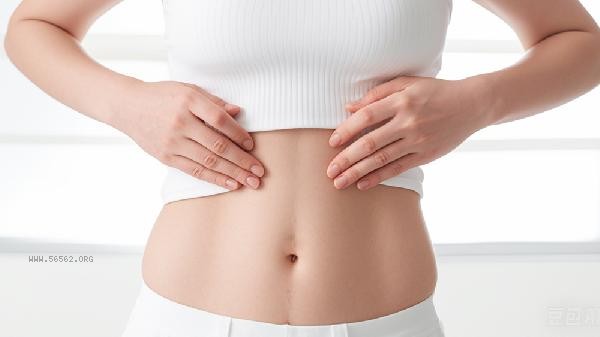
Sleeve gastrectomy and gastric bypass surgery are suitable for severely obese patients, reducing nutrient absorption by altering the structure of the digestive tract. After surgery, lifelong supplementation of vitamins and minerals is necessary, and a new dietary pattern should be established. Surgery carries risks such as anastomotic leakage and malnutrition, and strict evaluation of surgical indications is necessary.
5. Traditional Chinese Medicine Conditioning
Traditional Chinese medicine believes that obesity is mostly related to spleen deficiency and dampness, and acupuncture and moxibustion and cupping can be used together with traditional Chinese medicine for conditioning. Commonly used formulas such as Fangji Huangqi Tang and Wuling San have the effect of invigorating the spleen and dispelling dampness. Diagnosis and treatment should be based on syndrome differentiation, and long-term use of traditional Chinese medicine containing toxic ingredients such as aristolochic acid should be avoided. It is recommended to choose a formal medical institution for systematic treatment. During the weight loss process, a reasonable weight loss rate of 0.5-1 kg per week should be maintained to avoid rapid weight loss leading to skin sagging and metabolic disorders. Establishing regular sleep habits and ensuring 7-8 hours of sleep can help with the normal secretion of leptin hormone. Regularly monitoring indicators such as body fat percentage and waist circumference is more meaningful than simply focusing on weight. After successful weight loss, it is necessary to maintain a consolidation period of at least 6 months and prevent weight rebound through continuous health management.








Comments (0)
Leave a Comment
No comments yet
Be the first to share your thoughts!