
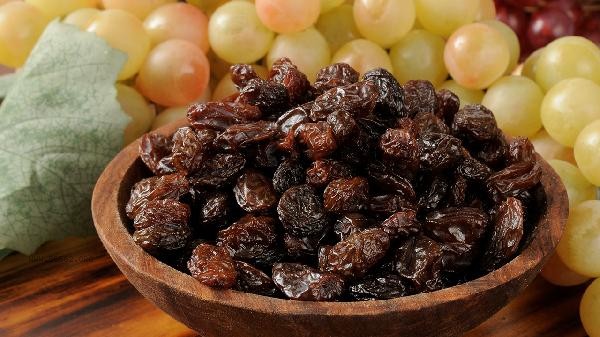
Purple black raisins contain high levels of anthocyanins, such as blackcurrant raisins, black rose raisins, and other varieties. The content of anthocyanins is mainly related to factors such as grape variety, maturity, and drying process. Purple black raisins are usually made from dark grape varieties, whose skins are rich in anthocyanins. During natural drying or low-temperature drying, some anthocyanins are preserved. Black currant raisins have a high retention rate of antioxidant substances in the finished product due to the high content of anthocyanins in their raw fruit. Black rose raisins are dried using special varieties, resulting in significant pigment deposition on the skin. The anthocyanin content can reach tens of milligrams per hundred grams. The mare's milk black raisins produced in Xinjiang, due to sufficient sunlight, accumulate more anthocyanins in the fruit and maintain high levels of active ingredients even after drying.
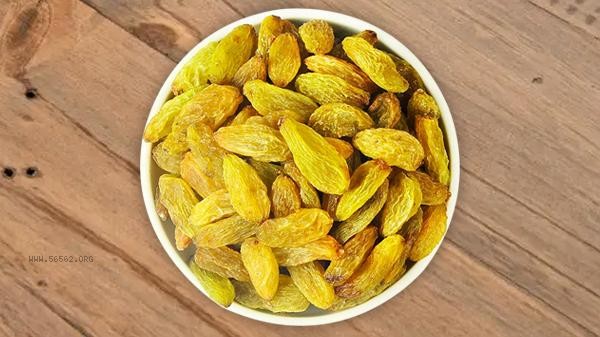
Light colored raisins such as emerald, golden queen, etc., due to their low anthocyanin content in the raw materials, are almost free of such components after processing. Although red raisins have a certain color, their anthocyanin content is only about one-third of that of purple black varieties. Partially dyed raisins may appear dark in color, but the actual anthocyanin content differs significantly from natural varieties. When choosing, priority should be given to checking the labeling of raw material varieties to avoid purchasing non natural products with added pigments.
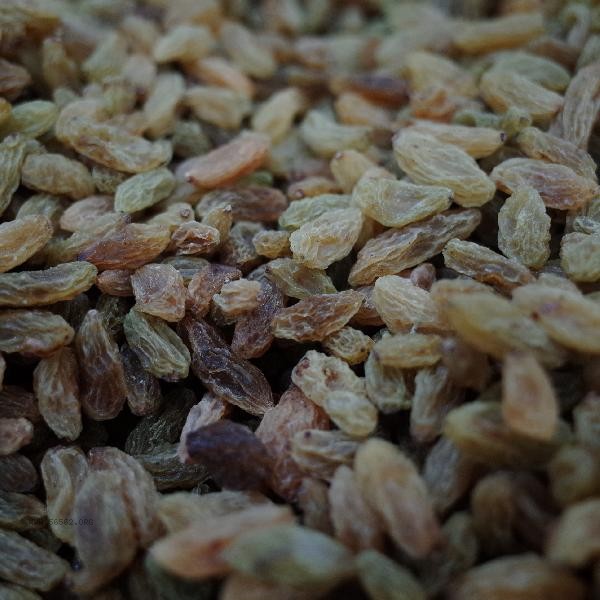
It is recommended to consume no more than 30 grams of purple black raisins daily, which can be paired with plain yogurt or oats to enhance absorption. Attention should be paid to the high sugar content of raisins, and diabetes patients should control their intake. When storing, it should be sealed and protected from light to prevent anthocyanins from becoming damp, oxidized, and ineffective. When making a purchase, observe whether the color is uniform and natural, and avoid selecting processed products with frosting or abnormally shiny surfaces.








Comments (0)
Leave a Comment
No comments yet
Be the first to share your thoughts!