
Traditional Chinese medicine for weight loss should be used under the guidance of a doctor's syndrome differentiation. Common Chinese medicines that help with weight loss include lotus leaves, cassia seeds, Poria cocos, hawthorn, rhubarb, etc. These medicinal herbs often exert their effects by regulating metabolism, promoting gastrointestinal peristalsis, or promoting diuresis, but individual differences and potential side effects should be noted.
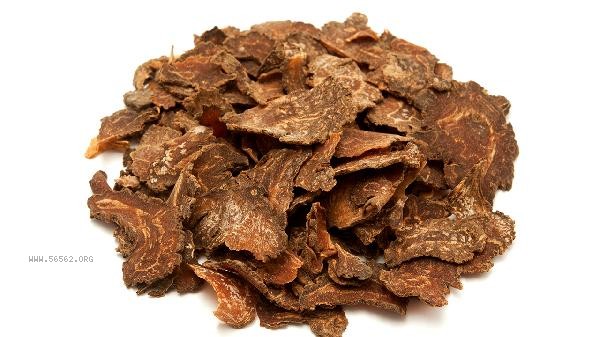
1. Lotus Leaves
Lotus leaves contain alkaloids and flavonoids that can inhibit fat absorption and promote breakdown, making them suitable for phlegm dampness obesity. It is often used in combination with hawthorn in clinical practice, but for those with spleen and stomach deficiency and cold, diarrhea may occur, and it is necessary to use spleen strengthening herbs such as Atractylodes macrocephala in combination. Lotus leaf alkaloids may affect blood pressure, so patients with hypertension should use them with caution.
2. Cassia Seed
Cassia seed is rich in anthraquinone compounds, which can reduce heat absorption by moistening the intestines and promoting bowel movements, making it suitable for constipated obesity. Long term use may cause electrolyte imbalance, it is recommended to use it together with goji berries to alleviate diarrhea. Its lipid-lowering effect has a certain auxiliary effect on hyperlipidemia combined with obesity.
III. Poria cocos
Poria cocos has the characteristic of promoting diuresis and promoting diuresis, which can improve edema type obesity. Its polysaccharide components can regulate intestinal microbiota. It is often used in combination with coix seed to enhance drainage effect. Patients with kidney deficiency should use it with caution. Modern research shows that triterpenoids from Poria cocos have a mild inhibitory effect on fat synthesis.
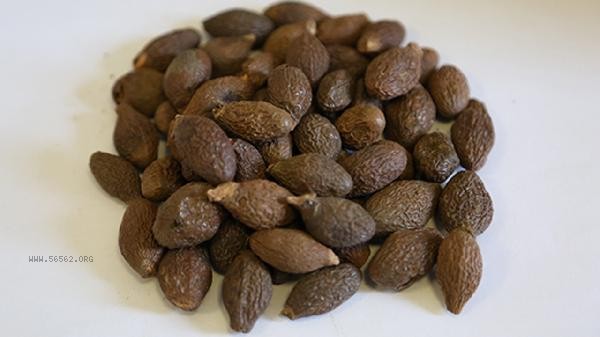
4. Hawthorn
The organic acids and flavonoids in hawthorn can promote fat breakdown, making it particularly suitable for obesity caused by dietary stagnation. Its lipid-lowering effect is clear, but those with excessive stomach acid may worsen acid reflux symptoms. In clinical practice, roasted hawthorn is commonly used to reduce irritation, and when combined with dried tangerine peel, it can enhance its digestive effect.
V. Rhubarb
Rhubarb anthraquinone derivatives rapidly lose weight by stimulating intestinal peristalsis, and are only suitable for short-term empirical obesity. Excessive use can lead to dependency constipation and intestinal melanosis, usually requiring the combination of licorice to harmonize its medicinal properties. Pregnant women and frail individuals are strictly prohibited from using it, and its use should not exceed one month.
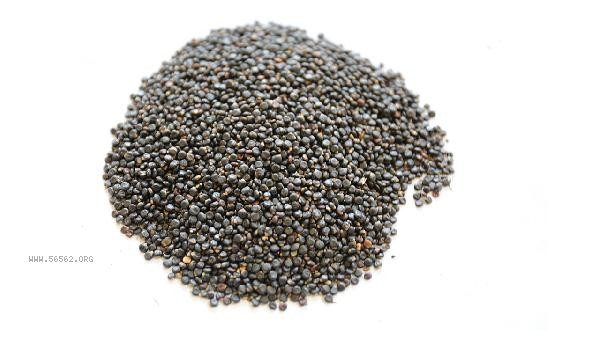
Traditional Chinese medicine for weight loss should be selected based on the differentiation of physical constitution. For phlegm dampness type, Er Chen Tang can be modified, while for qi deficiency type, Shen Ling Bai Zhu San is suitable. It is recommended to cooperate with 30 minutes of aerobic exercise daily and control a high sugar and high-fat diet. The weight loss should not exceed 1 kilogram per week. If adverse reactions such as palpitations and diarrhea occur during use, stop immediately and seek medical attention to avoid self mixing or long-term use of laxative herbs. Regularly monitor liver and kidney function, and prioritize treatment for underlying diseases in obese patients with metabolic syndrome.








Comments (0)
Leave a Comment
No comments yet
Be the first to share your thoughts!