
Pig liver is the most nutritious part of pig organs, rich in high-quality protein, vitamin A, iron, zinc, and B vitamins and other nutrients. The nutritional value ranking of pig viscera mainly includes pig liver, pig heart, pig kidney, pig stomach, and pig lung.
1. Pig liver
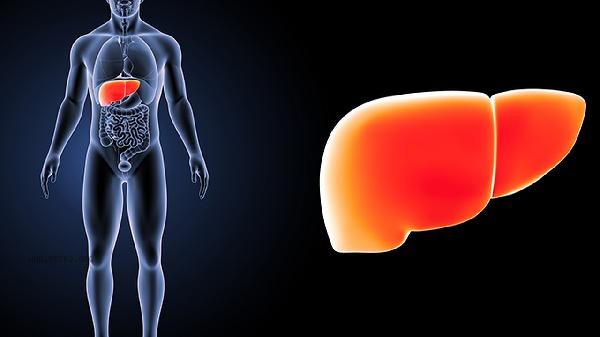
Pig liver is rich in vitamin A, which helps maintain normal vision and immune function. Its iron content far exceeds that of red meat, and it has a significant effect on preventing iron deficiency anemia. The high-quality protein and vitamin B12 in pig liver are particularly important for neurological health, but the cholesterol content is high, and people with high blood lipids need to control their intake. It is recommended to consume no more than 100 grams per week, and soaking thoroughly to remove blood before cooking can reduce the fishy smell.
2. Pig Heart
Pig heart is rich in coenzyme Q10 and creatine, which help improve myocardial metabolism and exercise endurance. Its protein structure is highly similar to human muscle. The selenium element contained has antioxidant effects, and the niacin content is particularly prominent in animal organs, which can promote energy metabolism. Suitable for stewing or braising, with a tight texture that needs to be cooked for a long time to soften.
3. Pig kidneys
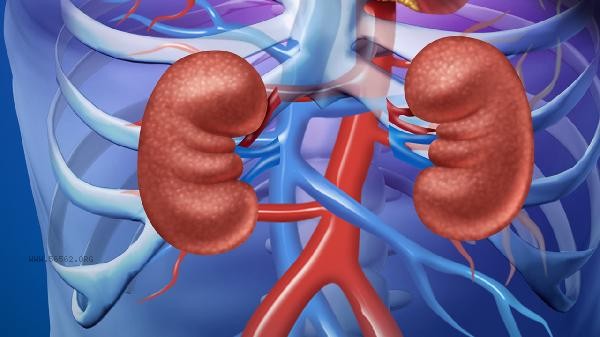
Pig kidneys contain high concentrations of vitamin B1 and riboflavin, which are beneficial for energy conversion and skin health. Their selenium content is second only to seafood. The unique cytochrome components may help with heavy metal metabolism, but it is necessary to thoroughly remove the internal white fascia to reduce purine content. When stir frying, it is recommended to pair it with deodorizing ingredients such as ginger and garlic. People with abnormal kidney function should consume it with caution.
4. Pig stomach
Pig stomach mainly provides collagen and elastin, which are helpful for the repair of gastrointestinal mucosa. Its fat content is relatively low in the internal organs. The pepsinogen contained may assist in digestive function, but it needs to be stewed for a long time until soft and tender. Traditional dietary therapy is often used to improve spleen and stomach weakness, and people with high uric acid should pay attention to controlling the frequency of consumption.
5. Pig lungs
Pig lungs have moderate protein content but low fat content, and contain a small amount of pulmonary surfactant. Traditional medicine believes that they are beneficial to the respiratory system. It needs to be repeatedly washed to remove impurities from the trachea, and is suitable for stewing with white radish or almonds. Due to the potential risk of residual pathogens, it is essential to cook thoroughly and avoid consumption by immunocompromised individuals.

Pig visceral organs have high overall nutritional value, but their cholesterol and purine content are also prominent. It is recommended that healthy individuals consume them no more than twice a week, with each consumption controlled within 100 grams. Combining vegetables and fruits rich in vitamin C can promote iron absorption. Patients with hypertension or gout should consult a physician for advice. All visceral ingredients should be thoroughly cleaned and cooked at high temperatures to avoid cross contamination between raw and cooked. Special populations such as pregnant women, children, and postoperative patients should adjust the type and frequency of intake according to their physical condition.








Comments (0)
Leave a Comment
No comments yet
Be the first to share your thoughts!