
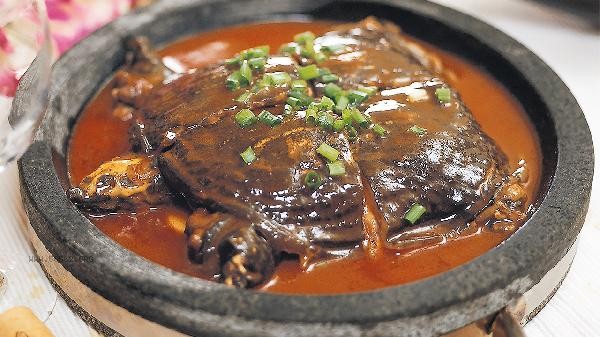
The parts that turtles need to discard mainly include internal organs, gallbladder, fat, head glands, and blood. These parts may contain toxins or affect the taste, and improper handling may cause discomfort.

1. Internal organs
The internal organs of turtles include the intestines, stomach, and other digestive organs, which are prone to residual food residues and metabolic waste. Heavy metals or parasites may accumulate in the internal organs, which may cause abdominal pain or diarrhea after consumption. During processing, the internal organs should be thoroughly removed and the abdominal cavity should be repeatedly rinsed to avoid cross contamination.
II. Gallbladder
The gallbladder is located near the liver and has a dark green cystic structure. Bile has a bitter taste and contains bile acids. If it ruptures, it can cause the meat to become bitter. When removing, be careful not to break it. If accidentally contaminating the fish, use flour to scrub and remove bitterness.
III. Fat
The fat of turtles is mostly distributed at the base of the limbs and the inner side of the skirt, appearing as yellow flocs. Excessive fat may have a earthy odor and be difficult to digest, and may produce foam when stewed at high temperatures. Suggest refining separately after removal, and the filtered turtle oil can be used externally.
4. Head gland
The posterior ear gland and submandibular gland of turtles may secrete irritating substances. These glands may release odors when heated, affecting the quality of the soup. When processing, the head needs to be cut off from the neck, and after peeling off the skin, the glandular tissue should be carefully examined and removed.
5. Blood
The blood of turtles should be drained before cooking. Gout patients should pay special attention to the high purine content in their blood. The traditional method of slaughtering involves hanging turtles upside down and bleeding them, while modern treatment can use the method of chilling shock to reduce pain.

As a high protein ingredient, it is recommended to stew turtle with ingredients such as yam and goji berries to neutralize coldness. Before cooking, the surface mucosa should be washed with hot water at around 80 ℃, and the processing tools should be separated from raw and cooked. Children and pregnant women should control their intake, and those with allergies should observe their reactions on their first attempt. The remaining turtle shells can be dried and ground into powder, which is believed to have the effect of nourishing yin and nourishing yang in traditional Chinese medicine.








Comments (0)
Leave a Comment
No comments yet
Be the first to share your thoughts!