
The ripening speed of apples and bananas depends on the storage environment, and bananas usually ripen faster than apples. The ripening speed of fruits is mainly affected by factors such as ethylene release, temperature, humidity, maturity, and variety differences.
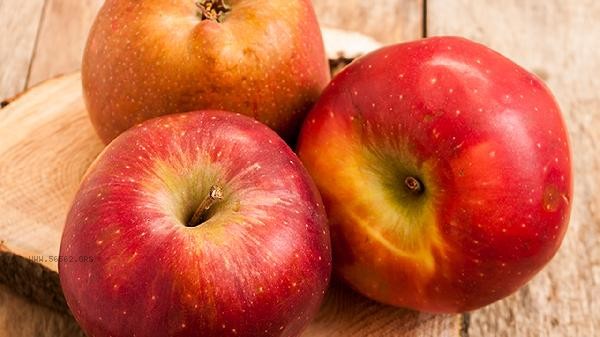
1. Ethylene Release
During the ripening process of bananas, a large amount of ethylene gas is released, which is a natural plant hormone that can accelerate the ripening of itself and surrounding fruits. Although apples also release ethylene, their yield per unit time is lower than bananas. When storing unripe bananas and apples in a sealed container, bananas usually soften in 2-3 days, while apples take longer.
II. Temperature Influence
High temperature environments significantly accelerate banana ripening, and black spots on the skin quickly appear above 25 degrees Celsius. Apples are relatively stable to temperature changes, and low-temperature storage can delay ripening. Bananas soften after being stored at room temperature for about 24 hours in summer, while the hardness of apples does not change significantly under the same conditions.
III. Humidity Difference
Bananas have thin skin and strong breathability, and high humidity environments promote their respiration, leading to rapid ripening. The apple peel is thick and the wax layer can block some water exchange, and humidity has a relatively small effect on ripening speed. Bananas may reach their edible state 1-2 days earlier in humid environments.
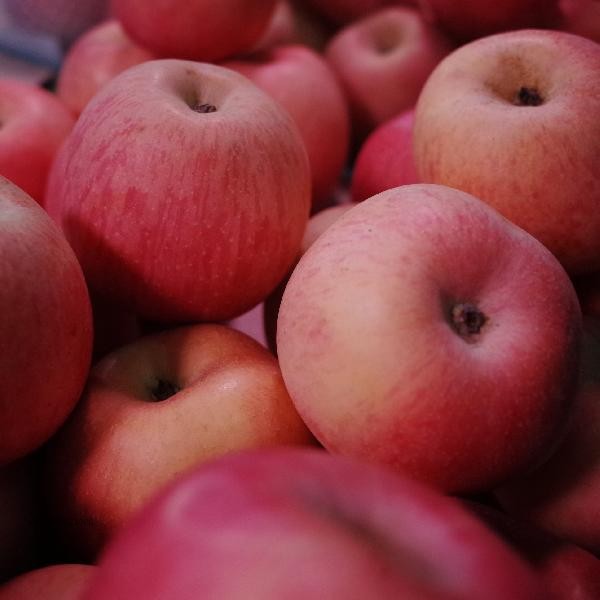
Fourth, Maturity Determination
Bananas with higher maturity during harvesting take less time to ripen, while green bananas take 3-5 days to turn yellow. The time span from picking to the optimal consumption period of apples is relatively long, and early maturing varieties also require about one week. Observing the color change of the fruit stem is an effective method to determine the maturity progress of bananas.
V. Variety Characteristics
Small fruit varieties such as rice banana and emperor banana mature faster than early maturing apple varieties. Ethylene sensitive varieties such as apple pomace and yellow marshal tend to soften faster when placed with bananas, but still slower than the natural ripening rate of bananas. When storing fruits in daily life, if you need to delay the ripening of bananas, you can hang them in a ventilated place to avoid squeezing, and apples are suitable for refrigeration storage. Separating mature bananas from ethylene sensitive fruits such as kiwi and mango can prevent over ripening and rotting. Before consumption, green bananas and apples can be packed in paper bags to accelerate ripening, but daily checks are necessary to prevent excessive softening. Reasonable utilization of ethylene between fruits can help control the ripening rhythm and reduce food waste.









Comments (0)
Leave a Comment
No comments yet
Be the first to share your thoughts!