
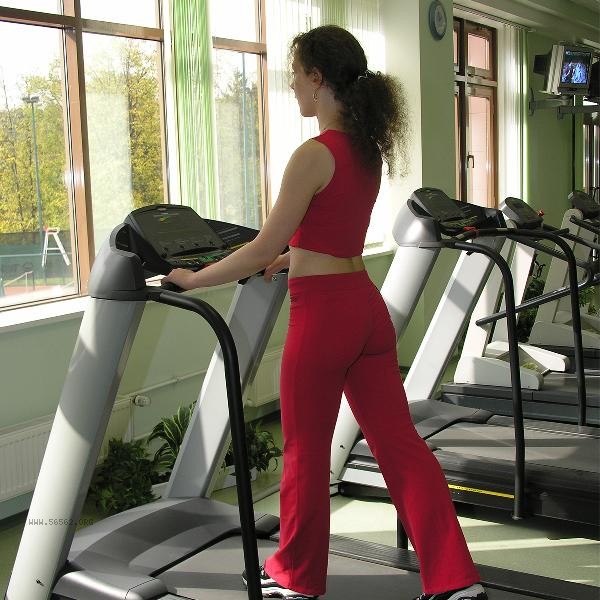
The weight loss effect depends on the intensity of exercise and individual physical fitness. Jogging three kilometers usually burns more calories than walking three kilometers normally, which is suitable for those with good physical fitness; Normal walking of three kilometers is more suitable for people with weak sports foundation or sensitive joints. Slow jogging belongs to moderate intensity aerobic exercise, with higher energy consumption per unit time, mainly relying on glycogen and fat breakdown for energy supply, especially after 20 minutes of continuous use, the proportion of fat supply significantly increases. Maintaining heart rate within the range of 60% -70% of maximum heart rate during exercise can effectively promote visceral fat metabolism and enhance cardiopulmonary function. However, attention should be paid to knee joint impact, and it is recommended to choose a plastic track or wear running shoes with good cushioning performance. Normal walking belongs to low-intensity exercise, although it has lower calorie consumption per session, it can last longer and is easier to maintain, making it more friendly to overweight people. When walking, slow muscle fibers are mainly mobilized, and the proportion of fat energy supply is relatively high. Long term regular exercise can also help improve basal metabolic rate.
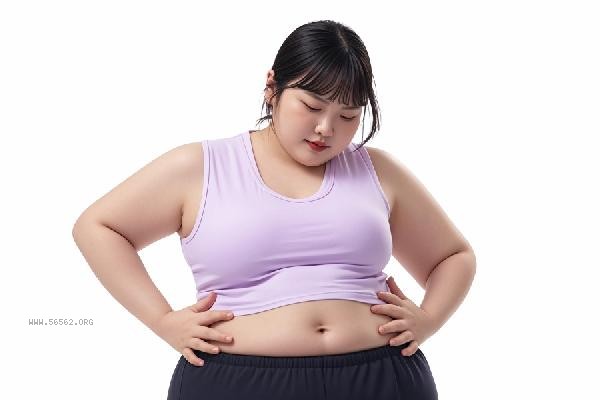
Both methods have their limitations. Slow jogging may be difficult for some people to maintain due to its high intensity, and those with a large body weight base are at risk of joint damage; Walking takes longer to reach the same level of consumption. It is recommended to choose based on body fat percentage and exercise tolerance. For those with high body fat percentage, brisk walking can be used for transition, and intermittent jogging can be used to improve efficiency. Regardless of which method is chosen, it is necessary to maintain a frequency of 4-5 times a week, each lasting 30-50 minutes, and combine it with dietary control to achieve sustainable weight loss.
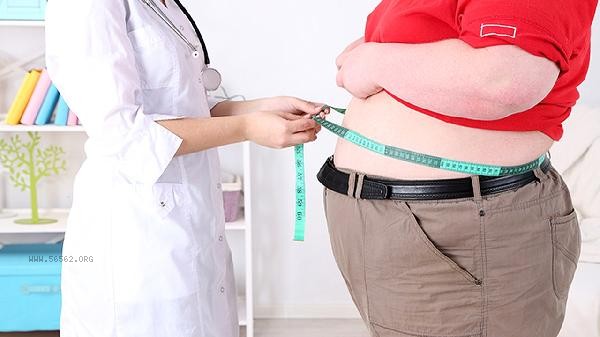
Warm up and stretch before and after exercise, and avoid exercising on an empty or full stomach. During weight loss, it is recommended to increase protein intake, such as chicken breast, eggs, etc., to help maintain muscle mass. If there is discomfort such as joint pain or dizziness, adjust the exercise intensity in a timely manner and consult a professional physician. Recording daily steps and exercise duration, combined with monitoring changes on a body fat scale, can better scientifically evaluate weight loss effectiveness.








Comments (0)
Leave a Comment
No comments yet
Be the first to share your thoughts!