
The acidity of white vinegar is usually higher than that of aged vinegar, and the difference in acidity between the two is mainly due to differences in raw materials and fermentation processes.
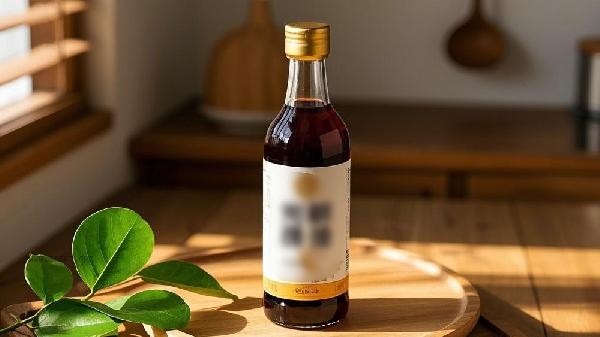
White vinegar is made from rice or glutinous rice through liquid fermentation process. It has a high content of acetic acid and a sharp and direct sour taste, making it suitable for cold dishes or pickled foods that need to highlight the sour taste. Aged vinegar is mainly made from sorghum, using solid-state fermentation technology and long-term aging. It has a relatively low content of acetic acid but is rich in organic acids and esters. The sour taste is soft, mellow, and has a sweet aftertaste, making it more suitable for dishes that require complex flavors such as braised and stewed dishes. From a nutritional perspective, white vinegar contains almost no other nutrients, while aged vinegar contains small amounts of amino acids, minerals, and polyphenols, which have certain antioxidant effects.

In special circumstances, attention should be paid to the differences in applicability between the two: patients with excessive stomach acid or gastric ulcers should avoid drinking high acidity white vinegar on an empty stomach; Because the aged vinegar contains trace sugar and sodium, diabetes patients and people with hypertension need to control the dosage. For daily use, it is recommended to choose according to cooking needs. For cold dishes, white vinegar is preferred for freshness, while for hot dishes, aged vinegar is more suitable for enhancing aroma. After opening, it should be sealed and stored away from light to avoid acetic acid volatilization or microbial contamination.

Whether choosing white vinegar or aged vinegar, the recommended daily intake should not exceed 15 milliliters. Long term excessive intake may damage tooth enamel or irritate gastrointestinal mucosa. When cooking, a small amount of honey or olive oil can be used to balance acidity. For those with sensitive stomachs, it is recommended to dilute and drink after meals. When purchasing, pay attention to checking the product standard number, identify GB/T18187 for brewing vinegar, and avoid blending vinegar products.








Comments (0)
Leave a Comment
No comments yet
Be the first to share your thoughts!