
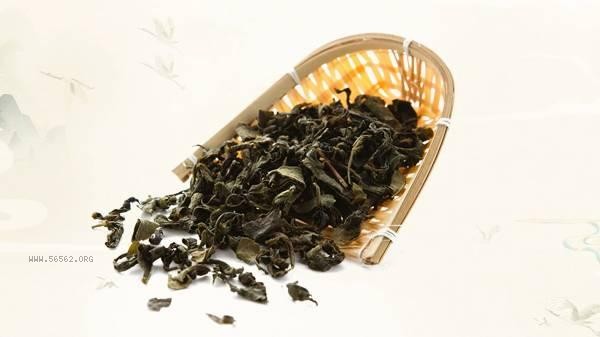
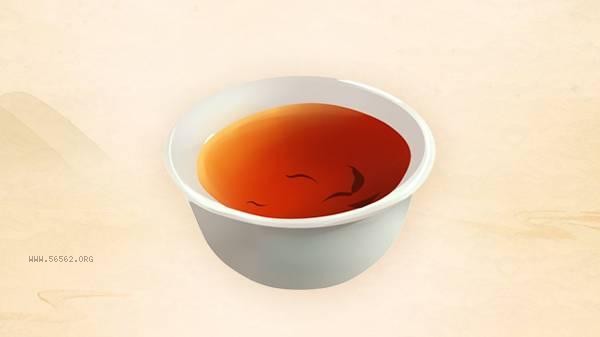
Pu erh and oolong tea both help with weight loss, and the specific effects vary from person to person. Pu'er tea mainly exerts its effects by inhibiting fat synthesis and promoting decomposition, while oolong tea produces its effects by regulating glucose and lipid metabolism and energy consumption. The difference in efficacy between the two types of tea is mainly related to the degree of fermentation, active ingredients, and mechanism of action. Pu erh belongs to post fermented tea, and its unique theaflavins and tea polyphenol oxidized polymers can significantly reduce the absorption rate of fat in the intestine, while activating lipase activity to accelerate triglyceride decomposition. Clinical observations have found that continuous consumption of Pu'er tea can reduce waist circumference and visceral fat accumulation, especially in high-fat diet populations. Oolong tea, as a semi fermented tea, is rich in methylated catechins and theaflavins, which can increase basal metabolic rate and promote brown fat thermogenesis. Experimental data shows that it can increase calorie expenditure and improve insulin sensitivity, and has certain advantages in controlling weight rebound. The lipid-lowering effect of Pu'er tea shows a gradual characteristic, requiring continuous consumption for a long time to show stable effects, and has a strong targeted effect on abdominal obesity. The metabolic promoting effect of oolong tea is relatively fast, but the duration of a single action is limited, and it needs to be consumed in divided doses daily to maintain its effectiveness. Both types of tea may cause mild gastrointestinal irritation, and drinking them on an empty stomach may cause discomfort. It is recommended to drink them after meals and control the daily total amount within a reasonable range.
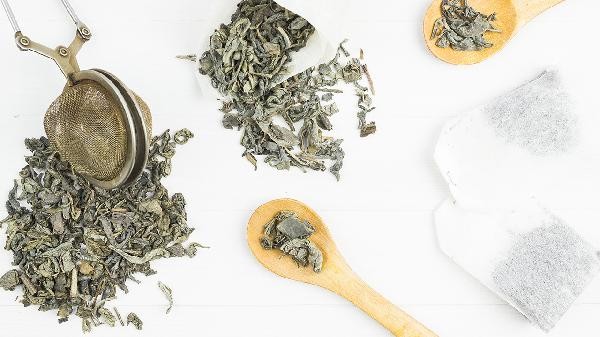
When choosing, personal constitution and weight loss goals should be taken into account. Mild oolong tea is more suitable for gastrointestinal sensitive individuals, while Pu'er tea can be given priority consideration for patients with metabolic syndrome. No matter which type of tea drink is chosen, it is necessary to combine dietary control and exercise to achieve the desired effect. Special populations such as pregnant women and anemic patients should consult a physician to avoid excessive intake that affects iron absorption or stimulates uterine contractions.








Comments (0)
Leave a Comment
No comments yet
Be the first to share your thoughts!