
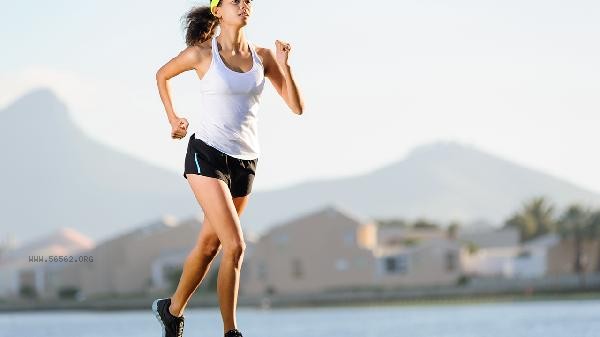
The weight loss effects of dancing and running vary from person to person, depending on the intensity, duration, and individual physique of the exercise. High intensity running usually burns fat faster per unit of time, while dancing can achieve similar results by maintaining moderate to high intensity continuous exercise. Running, as a typical aerobic exercise, has a high calorie consumption per unit time. An adult weighing 70 kilograms who runs at a speed of 8 kilometers per hour for one hour consumes about 600 calories, mainly mobilizing the lower limb muscles to continue working, increasing heart rate quickly, and easily entering the fat metabolism zone. When running at a constant speed, the body will first break down glycogen, and after 30 minutes, the proportion of fat energy supply will significantly increase. intermittent variable speed running can further stimulate metabolism, and excessive oxygen consumption after exercise can sustain fat burning for several hours. However, running has a significant impact on the knee joints, and those with a large body weight or fragile joints need to be cautious. The heat consumption of dancing varies greatly depending on the type of dance and the amplitude of the movements. High intensity dances such as street dance and Zumba can consume 400-500 calories per hour, with the advantage of full body muscle coordination and fun. Dance can enhance body coordination and shape muscle lines by mobilizing core muscle groups through multi planar movements. Some dances include explosive jumping movements, which have a fat burning efficiency similar to jogging. Compared to the single movement mode of running, the varied rhythms of dance can slow down fatigue and make it easier to persist for a long time. But low-intensity ballroom dancing and other activities may only consume half of the calories as running.

It is recommended to choose exercise methods based on personal interests and physical conditions, and alternate between the two to avoid plateau periods. Warm up and stretch before and after exercise, combined with dietary control for better results. Overweight individuals can initially choose sports such as swimming that have less joint pressure, and gradually transition to running or dancing.








Comments (0)
Leave a Comment
No comments yet
Be the first to share your thoughts!