
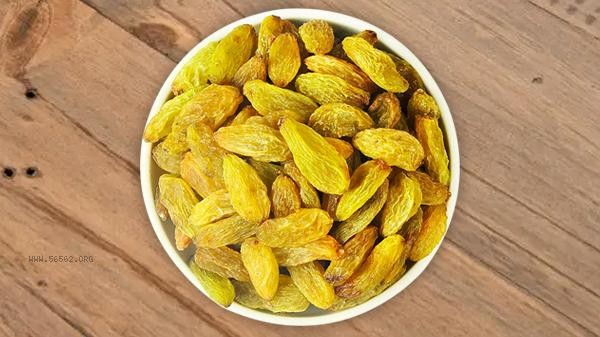
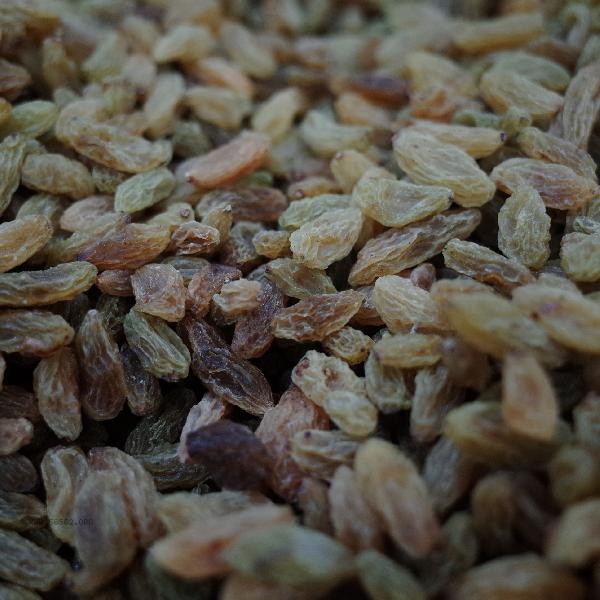
Green raisins and red raisins each have their own advantages, and the choice depends on nutritional requirements and consumption scenarios. Red raisins usually contain more antioxidants, while green raisins may retain higher levels of dietary fiber. Both have their own focuses on supplementing iron and improving gastrointestinal function. The dark skin of red raisins is rich in anthocyanins and polyphenols, which are antioxidants that help eliminate free radicals in the body and have certain benefits for cardiovascular health. Its iron content is slightly higher than that of green raisins, making it suitable as a snack supplement for people with mild anemia. Green raisins have less skin damage during processing, preserve more complete dietary fiber, and have a more significant effect on promoting intestinal peristalsis. Some varieties of green raisins contain high levels of tartaric acid, which can help with food digestion. From the perspective of taste differences, red raisins are more concentrated in sugar, usually have a higher sweetness and a slight acidity, making them suitable for direct consumption or pairing with oats. Green raisins have a firmer texture and a chewy texture, with a good balance of sour and sweet flavors. They are commonly used in baking or mixed with nuts. Special people should pay attention to that diabetes patients should control the intake of red raisins, and gastrointestinal sensitive people may be more suitable for mild stimulation of green raisins. Both types of raisins should be avoided from excessive consumption, with 20-30 grams per day being recommended.

When selecting raisins, the integrity and dryness of the fruit can be observed, and high-quality products should have no clumping or frosting precipitation. When storing, it is recommended to seal and avoid light. Pairing with yogurt or mixed grain rice can enhance its nutritional value. Individuals with special constitutions can consult a nutritionist before consumption to adjust the type and frequency of intake according to their own health condition.








Comments (0)
Leave a Comment
No comments yet
Be the first to share your thoughts!