
The weight loss effects of swimming and running vary from person to person. Swimming is more suitable for people with joint discomfort or a larger weight base, while running is more suitable for people with good cardiovascular function and a pursuit of efficient fat burning. Swimming, as a whole-body exercise, can mobilize more muscle groups to participate. The resistance in water makes heat consumption more persistent, and the buoyancy in water can reduce joint pressure, making it suitable for overweight or those at risk of knee joint injury. Breaststroke consumes about 500-700 calories per hour, while freestyle can reach 600-800 calories per hour. However, low water temperature may stimulate appetite and be detrimental to controlling diet. Running, as a typical aerobic exercise, consumes 400-600 calories per hour for flat jogging, and 700-900 calories per hour for slope running or interval running. It has a significant effect on improving basal metabolic rate, but continuous impact may increase the burden on ankle and knee joints. Swimming requires mastering correct ventilation techniques to maintain exercise duration. Improper movements can lead to a decrease in energy consumption, and the swimming pool environment may be stimulated by disinfectants, causing respiratory discomfort. Running has lower requirements for the track but is greatly affected by weather. High temperatures in summer can easily cause dehydration, while cold temperatures in winter may trigger respiratory spasms. Both need to be accompanied by dietary management. After swimming, attention should be paid to supplementing electrolytes, and after running, carbohydrates and proteins should be replenished in a timely manner.
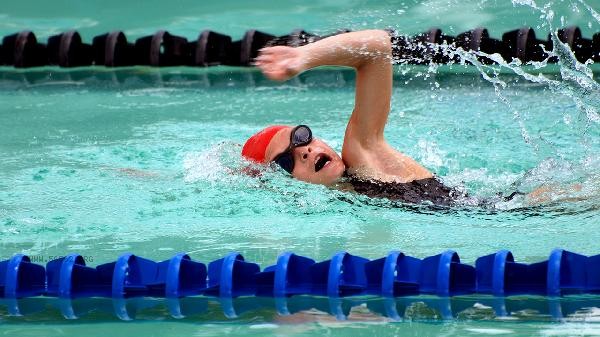
It is recommended to alternate between these two exercises based on individual health status. Swimming can be arranged as an active recovery after running training, while running is suitable as a means to break through the plateau period. Maintain a frequency of 3-5 exercises per week, lasting for at least 30 minutes each time, to achieve weight loss. Warm up and stretch before and after exercise, and for those with a large body weight, gradually transition from swimming to running.









Comments (0)
Leave a Comment
No comments yet
Be the first to share your thoughts!