
Skipping rope for weight loss can reduce body fat, but the weight loss effect on the lower limbs and core areas is more significant. Skipping rope mainly burns calories through aerobic exercise, and with dietary control, it can effectively reduce fat accumulation in areas such as the abdomen, thighs, and buttocks.
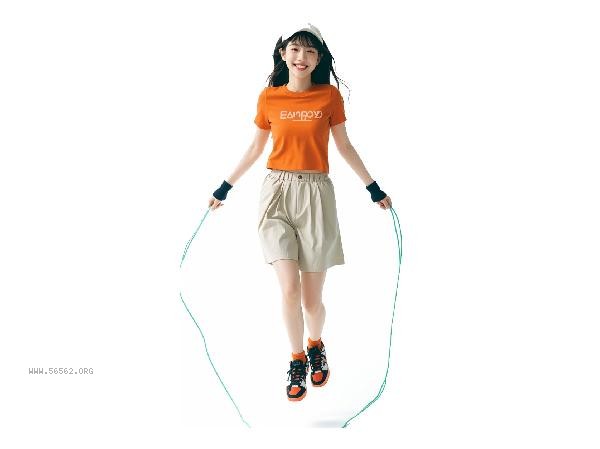
When jumping rope, the participation of lower limb muscle groups is the highest, with continuous force from the calf gastrocnemius muscle, quadriceps femoris muscle, gluteus maximus muscle, etc., which can accelerate the breakdown of leg fat. At the same time, the core muscle group needs to maintain body balance, and the deep abdominal muscles repeatedly contract, which helps to eliminate excess fat in the waist and abdomen. During the skipping rope process, the swinging of the upper limbs also drives the activity of the shoulder and back muscles, but the intensity is lower than that of the lower limbs. As skipping rope is a whole-body exercise, long-term adherence can promote a decrease in overall fat percentage, resulting in a uniform weight loss effect after a decrease in body fat percentage. Jump rope 4-5 times a week, lasting 20-30 minutes each time, combined with protein intake and sufficient sleep, and noticeable changes in body shape can be observed around three months.
It is recommended to choose soft soled sports shoes to protect the knee joint. Beginners can start gradually from 1 minute per group. Warm up and stretch before and after skipping rope, and avoid exercising on an empty stomach or when full. If knee pain occurs, it should be paused and a doctor should be consulted. For those with a large weight base, exercise methods such as swimming that reduce joint pressure can be used to lose weight first.








Comments (0)
Leave a Comment
No comments yet
Be the first to share your thoughts!