
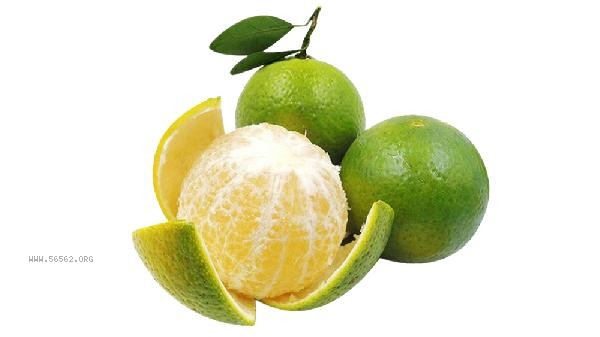
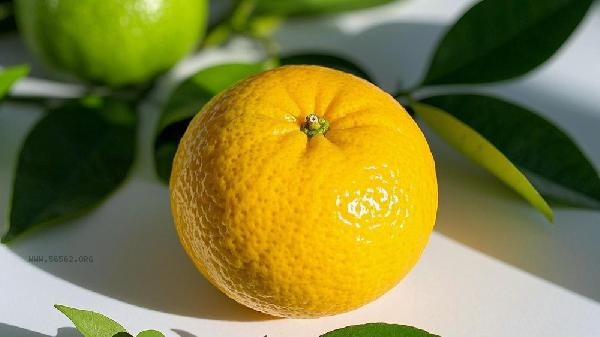
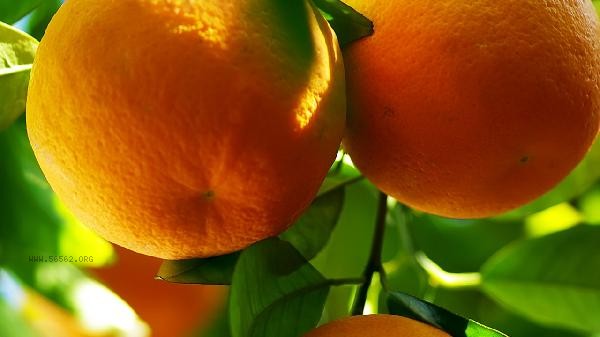
Orange trees usually bloom in spring and bear fruit in autumn. The flowering and fruiting of orange trees are influenced by factors such as variety differences, climatic conditions, cultivation management, soil fertility, and tree age. There are slight differences in the flowering and fruiting time of different varieties of orange trees. Early maturing varieties may bloom earlier in spring and bear fruit earlier in autumn, while late maturing varieties are relatively delayed. In regions with warm and humid climates, the flowering and fruiting time of orange trees may be earlier, while in cold and dry regions, it may be delayed. Adequate sunlight and suitable temperature help orange trees bloom and bear fruit normally. Orange trees with good cultivation and management have a relatively stable flowering and fruiting time. Regular pruning, reasonable fertilization, and scientific irrigation can promote the healthy growth of orange trees. An environment with fertile soil and good drainage is conducive to the flowering and fruiting of orange trees, while poor or waterlogged soil may lead to delayed flowering and fruiting. Young orange trees may take a longer time to bloom and bear fruit, while adult trees are relatively stable. During the flowering and fruiting period of orange trees, it is necessary to strengthen management to ensure sufficient water and nutrient supply. Proper thinning of flowers and fruits can improve fruit quality and prevent excessive nutrition in the tree. Pay attention to preventing and controlling pests and diseases to avoid affecting flowering and fruiting. Reasonably picking mature fruits can help maintain high yields in the coming year.








Comments (0)
Leave a Comment
No comments yet
Be the first to share your thoughts!