
Fasting exercise in the morning and high-intensity exercise in the evening have better weight loss effects, and the specific time selection should be based on personal sleep and exercise tolerance. The weight loss effect is mainly influenced by factors such as exercise intensity, metabolic status, and dietary coordination.
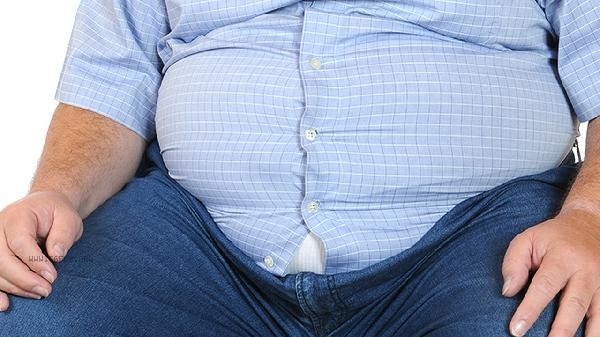
Engaging in low-intensity aerobic exercise on an empty stomach in the morning, such as jogging, brisk walking, or swimming, results in lower glycogen reserves in the body and a higher proportion of fat breakdown for energy supply. Cortisol levels naturally increase in the morning, which helps promote fat breakdown. However, attention should be paid to the risk of hypoglycemia, and a small amount of easily digestible protein can be consumed before exercise. In the evening, the core temperature of the human body reaches its peak, and muscle flexibility and strength are better, making it suitable for high-intensity interval training or resistance exercise. The excessive oxygen consumption effect after exercise can last for several hours. Regardless of when you choose to exercise, it is necessary to maintain at least 150 minutes of moderate intensity exercise per week, accompanied by a calorie deficit diet.
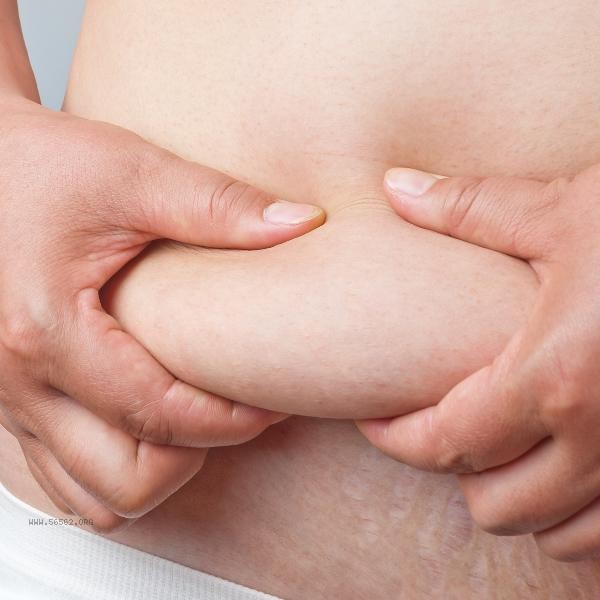
Special people need to adjust their exercise time. diabetes patients should avoid getting up in the morning to exercise on an empty stomach. hypertension patients need to monitor blood pressure changes during exercise in the evening. People with sleep disorders may have difficulty falling asleep during nighttime exercise, and it is recommended to choose morning light to regulate their biological clock. The arrangement of exercise time should also consider environmental factors. During the high temperature period in summer, outdoor exercise should prevent heatstroke, and in winter mornings, attention should be paid to keeping warm and slip resistant.
It is recommended to record heart rate, fatigue, and weight loss data during exercise to find the best exercise period for individuals. It is more important to maintain exercise habits in the long term by following a regular schedule and balanced diet than to be fixated on specific time periods. Warm up and stretch before and after exercise, adjust the intensity according to body sensation in a timely manner, and stop immediately if dizziness or chest tightness occurs.








Comments (0)
Leave a Comment
No comments yet
Be the first to share your thoughts!