
It is recommended to add salt about 5 minutes before cooking peanuts to ensure flavor and prevent the peanuts from hardening. The timing of adding salt mainly affects taste, nutrient retention, and saltiness penetration. Adding salt too early when cooking peanuts can cause the peanut skin to shrink and harden, affecting its soft and glutinous texture. It takes time for salt to penetrate into the interior of peanuts. If salt is added during the entire cooking process, the outer layer will absorb too much salt and the internal taste will be weak. High temperature and prolonged cooking can also damage the B vitamins and minerals in peanuts, reducing their nutritional value. Suggest boiling the water over low heat and cooking slowly until the peanuts are almost fully cooked before adding salt for seasoning. If you want a more uniform salty penetration, you can add salt twice during cooking. The first time, add a small amount of salt to help with basic seasoning when boiling until half cooked, and the second time, make up for the saltiness before serving. This method is suitable for old peanuts that require long-term stewing, but attention should be paid to controlling the total salt content. In special circumstances such as making five spice peanuts, it is necessary to soak the raw peanuts in salt water in advance, and there is no need to add extra salt during the cooking process.
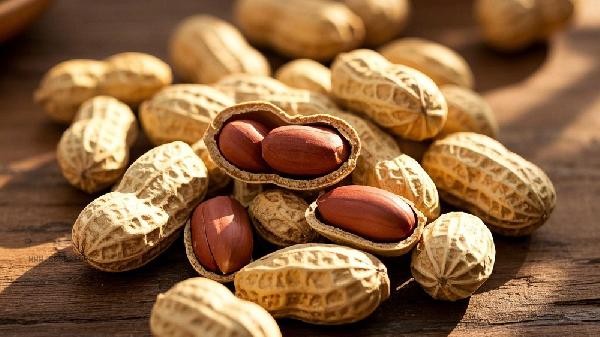
When cooking peanuts, it is advisable to choose new peanuts with plump particles and soak them in cold water for 2 hours in advance to shorten the cooking time. Control the daily intake of salt to no more than 5 grams, and hypertensive patients can use spices such as Sichuan pepper and star anise to replace some salt. Paired with vegetables such as celery and carrots to increase dietary fiber intake, balance nutrition while promoting sodium metabolism. refrigerated boiled peanuts should be thoroughly heated before consumption to prevent bacterial growth.








Comments (0)
Leave a Comment
No comments yet
Be the first to share your thoughts!