
It is recommended to choose the morning or evening period for weight loss by cycling, when the temperature is suitable and the oxygen content in the air is high. Fasting morning cycling can help accelerate fat metabolism, and cycling 1-2 hours after a meal can avoid gastrointestinal discomfort. Continuously cycling for more than 30 minutes can achieve good fat burning effects.
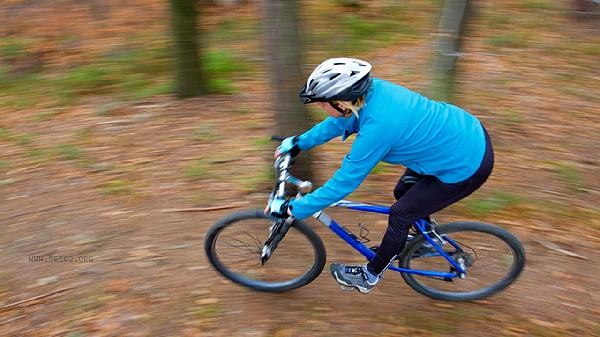
Cortisol levels in the human body are higher between 6-8 am, and low-intensity aerobic exercise can effectively activate lipolytic enzymes. At this time, there are fewer vehicles on the road and weaker ultraviolet radiation, making it suitable for constant speed cycling. It is recommended to drink 200ml of warm water before cycling, choose areas with fresh air such as park greenways, and wear heart rate monitoring devices to control heart rate at 60% -70% of maximum heart rate. The period from 16-19 pm in the evening is the best time for muscle flexibility. After daytime activities, joint synovial fluid secretion is sufficient, and the intensity of pedaling frequency can be appropriately increased. Cycling during this time period can deplete the glycogen reserves accumulated during the day. Supplementing with high-quality protein and complex carbohydrates within 2 hours after exercise can help with muscle repair. Attention should be paid to avoiding peak traffic hours. Sunscreen measures should be taken in summer, and windproof and warm equipment should be worn in winter.
Avoid cycling during the high temperature period of 12-14 noon, as high surface temperatures can lead to dehydration. Exercise immediately after eating may cause gastric prolapse, and vigorous exercise within 2 hours before bedtime can affect sleep quality. The hazy weather should be changed to indoor cycling, and attention should be paid to tire anti-skid during rainy days. It is recommended to schedule 3-5 cycling sessions per week, with each session lasting 45-90 minutes, which can be combined with intermittent variable speed training to improve weight loss efficiency. Dynamic stretching before and after cycling, adjusting exercise intensity according to changes in body fat percentage, and long-term adherence to dietary management can achieve ideal weight loss results.








Comments (0)
Leave a Comment
No comments yet
Be the first to share your thoughts!