
The best time for skipping rope to lose weight is on an empty stomach in the morning or 1-2 hours after dinner. Skipping rope on an empty stomach in the morning can help accelerate fat metabolism, while exercising after meals can help burn excess calories. The effect of skipping rope for weight loss is mainly related to the duration, intensity, and individual metabolic rate of exercise, and the timing should be based on personal sleep and physical tolerance. In the morning on an empty stomach, after a night of consumption, the body's glycogen reserves are low. At this time, skipping rope will prioritize mobilizing fat for energy supply, resulting in higher fat burning efficiency. But people with low blood sugar or weak constitution may experience dizziness. It is recommended to supplement easily digestible foods such as bananas in small amounts before exercise. Skipping rope 1-2 hours after a meal can effectively reduce postprandial blood sugar peak and avoid the conversion of calories into fat accumulation, especially suitable for people who consume more at dinner. At this time, the burden of gastrointestinal digestion is reduced, and there is less discomfort during exercise. Other time periods such as after lunch break or afternoon tea break can also be carried out, but the exercise duration needs to be maintained for more than 20 minutes to activate lipolytic enzymes. When jumping rope, the heart rate should be maintained at 60% -70% of the maximum heart rate, which is a state of slight wheezing but normal speech. It is better to persist 4-5 times a week for better results.
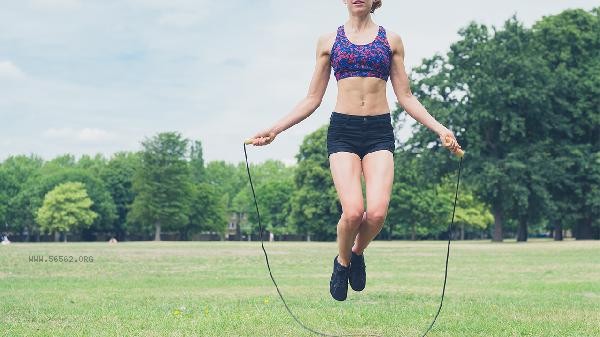
Warm up and stretch for 5 minutes before and after skipping rope to avoid joint injuries. During exercise, it is recommended to wear shock-absorbing sports shoes and choose a field with plastic or wooden flooring. For those with a larger weight base, low impact methods such as alternating steps can be used for transition. It is necessary to have a diet rich in protein and dietary fiber in daily life, and ensure a daily water intake of at least 2000 milliliters. If knee pain or persistent fatigue occurs, exercise should be paused and a rehabilitation doctor should be consulted.








Comments (0)
Leave a Comment
No comments yet
Be the first to share your thoughts!