
Vegetables such as broccoli, spinach, celery, cucumber, tomato, etc. can help with oil scraping and weight loss. These vegetables are rich in dietary fiber and low in calories, which can increase satiety and promote fat metabolism.
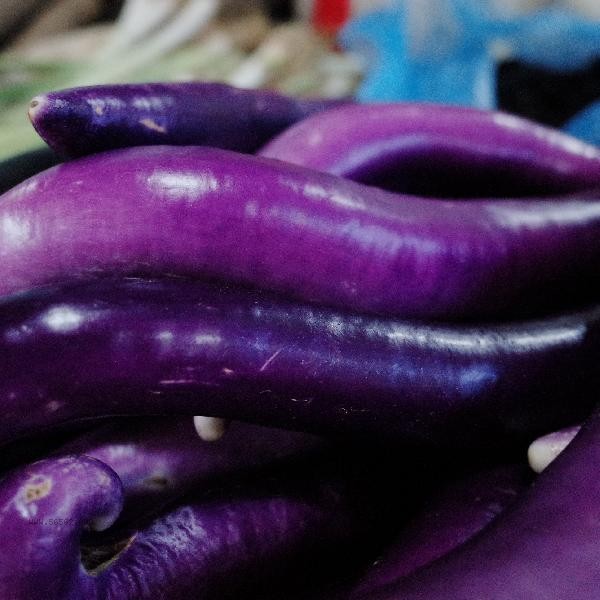
1. broccoli
broccoli is rich in dietary fiber and glucosinolates, which can help break down fat and inhibit fat accumulation. Its high moisture content and low calorie characteristics make it suitable as the main ingredient for weight loss meals. It is recommended to blanch it and then stir fry it cold or stir fry it to retain its nutrients.
2. Spinach
The chlorophyll and thylakoid substances in spinach can delay fat absorption, while being rich in iron can improve metabolic function. When cooking, avoid cooking at high temperatures for a long time. It can be paired with garlic stir fry or made into vegetable salad. Eating it in moderation daily can help control weight.
3. Celery
Celery contains a large amount of insoluble dietary fiber and apigenin, which requires more chewing action to reduce food intake. Its diuretic component can also help eliminate excess water from the body. Eating raw or juicing is more effective, but for those with gastrointestinal sensitivity, it is recommended to blanch before consumption.
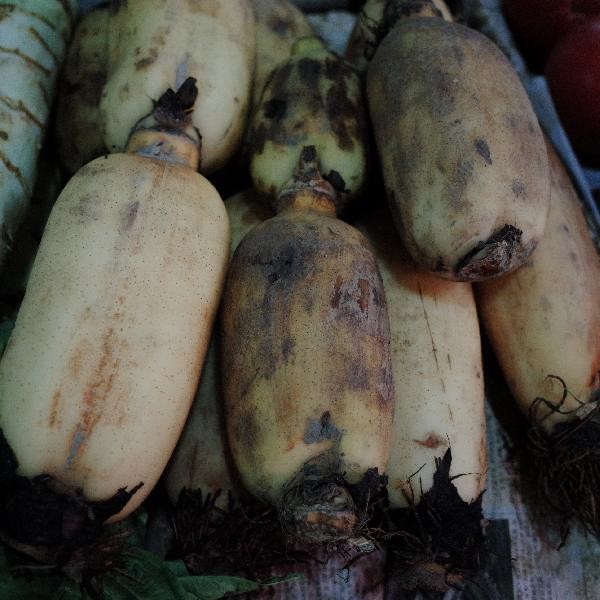
4. Cucumber
Cucumbers have a water content of over 95% and contain succinic acid, which can inhibit the conversion of sugars into fats. The silicon element contained in the epidermis can promote the health of connective tissue. It is recommended to consume it with the skin on. It can be sliced and served as a cold salad or as a snack to replace high calorie foods.
5. Tomatoes
The lycopene and pectin in tomatoes can reduce the concentration of triglycerides in the blood, and their acidic components can also stimulate the secretion of digestive juices. When eaten raw, the nutrient absorption rate is low. It is recommended to cook with a small amount of oil before consumption, but the amount of cooking oil should be controlled.
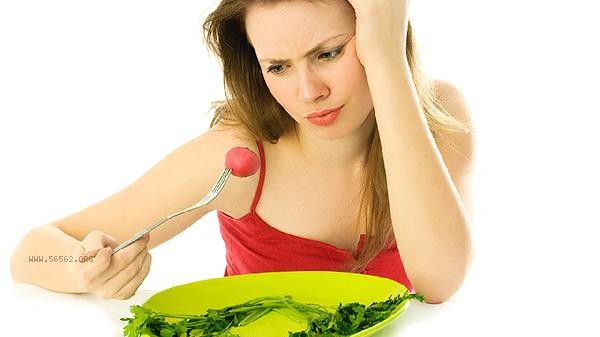
During weight loss, it is recommended to consume these vegetables in three separate meals, with a total daily intake of 300-500 grams, to avoid long-term monoculture leading to malnutrition. At the same time, with moderate exercise and sufficient drinking water, reduce the amount of oil and salt used during cooking, and for those with weak gastrointestinal function, they can eat in small amounts in portions. If there is obvious bloating or diarrhea, it is necessary to adjust the type and intake of vegetables.








Comments (0)
Leave a Comment
No comments yet
Be the first to share your thoughts!