
Vegetable juices such as broccoli juice, celery juice, cucumber juice, spinach juice, tomato juice, etc. can help with weight loss. Vegetable juice is rich in dietary fiber and water, with low calories, which can increase satiety and promote gastrointestinal peristalsis. It is suitable as a dietary supplement during weight loss.
1. broccoli juice
broccoli juice is rich in dietary fiber and vitamin C. Dietary fiber can delay gastric emptying time and reduce hunger. The glucosinolates in broccoli may help promote fat metabolism during digestion. When making, a small amount of apple seasoning can be used, but sugar should be avoided.
2. Celery Juice
Celery juice has extremely low calories and is rich in potassium, which helps regulate the body's water balance and alleviate edema type obesity. Phthalide compounds in celery may have a positive impact on lipid metabolism. Suggest choosing fresh celery stems and leaves for juice extraction to retain more nutrients.
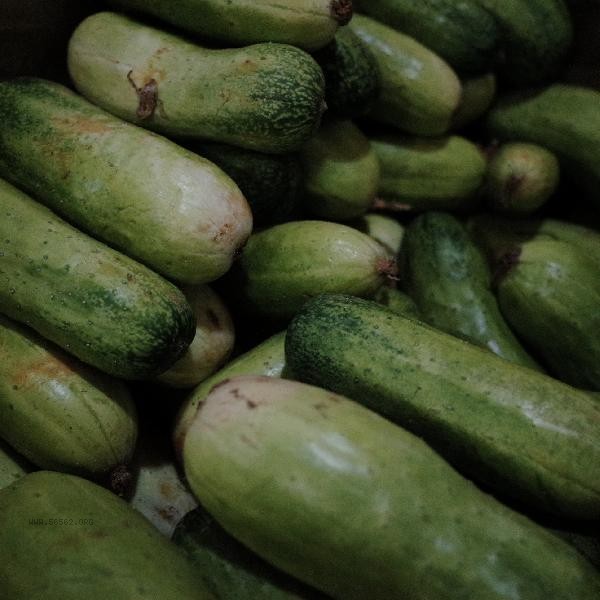
3. Cucumber Juice
Cucumber juice has a water content of over 95%, which can quickly produce satiety and replenish water. The presence of succinic acid in cucumbers may inhibit the conversion of sugars into fats, making them suitable as a substitute for high calorie beverages. Peel juicing can increase dietary fiber intake, but it needs to be thoroughly cleaned to remove pesticide residues.
4. Spinach Juice
Spinach juice is rich in carotenoids and iron, which can improve nutrient deficiencies that may occur during weight loss. Chlorophyll and plant molting hormones in spinach may be involved in regulating energy metabolism. Suggest blanching and juicing to reduce oxalic acid content, and can be paired with lemon juice to promote iron absorption.
5. Tomato Juice
Tomato juice contains lycopene and organic acids, which can promote the secretion of digestive juices and help break down food. The components such as 13-oxo-ODA in tomatoes may affect the expression of genes related to fat metabolism. Choosing mature tomatoes for juice extraction yields better results, and after heating treatment, the bioavailability of lycopene is higher.
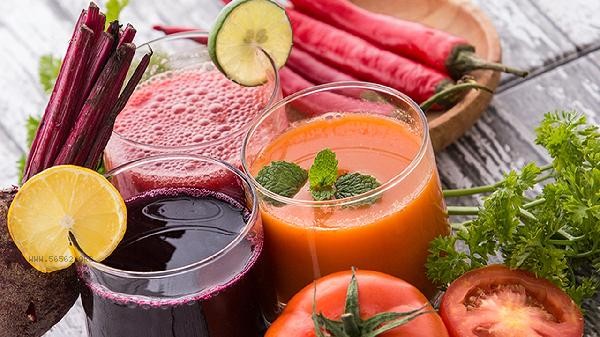
During weight loss, it is important to pay attention to diverse combinations when drinking vegetable juice to avoid long-term single consumption that can lead to nutritional imbalance. It is recommended to drink 200-300 milliliters daily with a 30 minute interval between meals, while also consuming moderate amounts of protein and whole grains. People with gastrointestinal sensitivity should dilute before drinking, and adjust their intake if they experience bloating and diarrhea. Vegetable juice cannot replace regular meals, and it needs to be combined with aerobic exercise and strength training to achieve the desired weight loss effect. The production process should ensure that the ingredients are fresh and hygienic, freshly squeezed and ready to drink to avoid nutrient loss.








Comments (0)
Leave a Comment
No comments yet
Be the first to share your thoughts!