
The vegetables with good weight loss effects by juicing mainly include broccoli, spinach, celery, cucumber, tomato, etc. These vegetables are low in calories and rich in dietary fiber, which helps increase satiety and promote metabolism.
1. broccoli
broccoli is rich in vitamin C and glucosinolates, which can help break down fat and inhibit fat accumulation. Its dietary fiber content is high, and the crude fiber retained after juicing can delay gastric emptying time and reduce hunger. It is recommended to choose fresh and tender stem juice for a fresher taste. People who are allergic to cruciferous vegetables should avoid consuming them.
2. Spinach
Spinach is rich in chlorophyll and iron elements, which can promote blood circulation and accelerate energy consumption. The thylakoid substances can control appetite by regulating the levels of cholecystokinin. When juicing, it is recommended to blanch to remove oxalic acid, and pairing with apples can improve the taste. People with renal insufficiency need to control their intake.
3. Celery
Celery contains phthalates and potassium elements, which have diuretic and anti-inflammatory effects. Its unique apigenin can activate brown adipose tissue to produce heat. It is recommended to keep the leaves when juicing to increase dietary fiber content, but people with low blood pressure should drink with caution.
4. Cucumber
Cucumbers have a moisture content of over 95%, extremely low calories, and contain succinic acid, which can inhibit the conversion of sugars into fats. When juicing, there is no need to peel to preserve the silicon element, but for those with weak gastrointestinal function, it is recommended to filter the residue. Drinking after refrigeration can enhance the refreshing feeling.
5. Tomato
The combination of lycopene and pectin can regulate lipoprotein metabolism and reduce blood viscosity. Heating during juice extraction can improve the bioavailability of lycopene, but those with excessive stomach acid should avoid drinking on an empty stomach. It is recommended to choose fruits with high maturity for juice extraction.
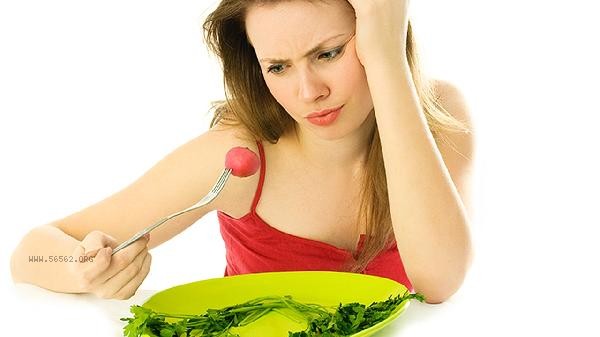
When juicing vegetables for weight loss, attention should be paid to balanced nutrition, and it is recommended to consume them with high-quality protein and whole grains. Drink no more than 500 milliliters per day and avoid completely replacing meals. People with gastrointestinal sensitivity can dilute the juice appropriately, and should stop drinking when experiencing bloating or diarrhea. Long term consumption of a single vegetable juice may lead to nutrient deficiency, and it is recommended to regularly rotate the types of ingredients. Drink the juice as soon as possible after juicing to reduce oxidative losses. The remaining juice should be refrigerated and consumed within 12 hours.








Comments (0)
Leave a Comment
No comments yet
Be the first to share your thoughts!