
Litchi March Red is an early maturing variety of lychee, named after its maturity in the third lunar month. Its main characteristics are a bright red skin, a large nucleus, and a crisp and slightly astringent flesh.
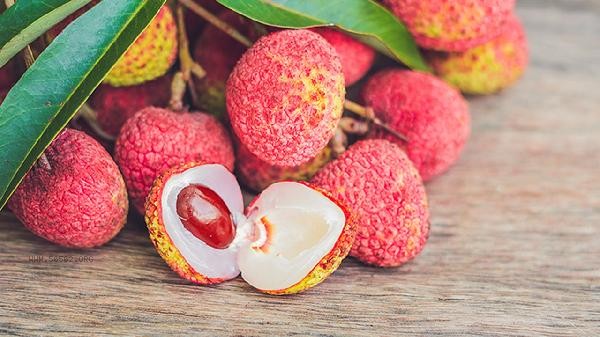
Litchi March Red belongs to the Sapindaceae family and the Litchi genus. It is native to Guangdong, China and is widely planted in subtropical regions such as Guangdong, Guangxi, and Fujian. This variety matures about a month earlier than common varieties such as Feizixiao and Guiwei, and is usually launched in mid to late May. The fruit is heart-shaped or oval in shape, weighing about 20 grams per fruit. The skin has obvious cracked and flaky protrusions, and when ripe, it presents a bright crimson color. The flesh is semi transparent, with an edible rate of about 70%, a sugar content between 16-18 degrees, and rich in vitamin C and potassium elements. Due to the low temperature during the ripening period, the fruit has a high acidity and a unique slightly acidic flavor on the palate.
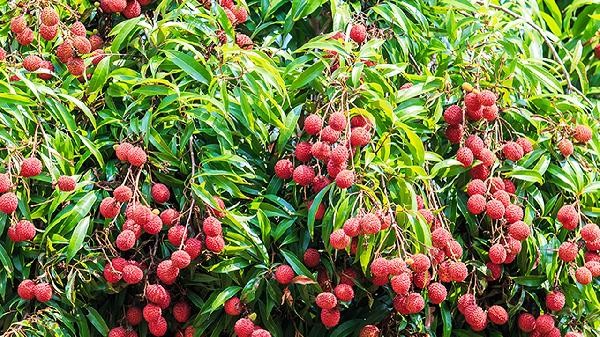
In March, the red lychee tree is vigorous, with thick and robust branches, long elliptical leaves, and obvious wavy edges. This variety has strong stress resistance and outstanding flood tolerance, making it suitable for cultivation in areas with abundant rainfall. The flowering period is usually from February to March, with larger inflorescences but a lower proportion of female flowers. It needs to be paired with varieties such as black leaf and white sugar poppy as pollination trees. The shelf life after harvesting is relatively short, and it can only be stored for 2-3 days at room temperature. It is recommended to refrigerate or soak in salt water to extend the storage time. Due to its early launch and stable production, it has a significant price advantage in the lychee market.
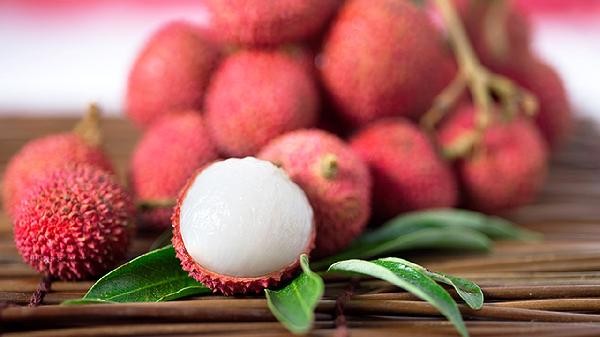
When consuming March red lychee, it is recommended to soak it in light salt water to reduce heat, and the daily consumption should be controlled at 10-15 pieces. People with abnormal blood sugar should reduce their intake, and pregnant women and children should remove the fruit pits to prevent accidental ingestion. When making a purchase, pay attention to whether the fruit stem is fresh and whether the skin has insect eyes. When storing, keep the fruit branches and wrap them with a damp towel to maintain humidity. This variety is suitable for making processed products such as lychee smoothies and lychee wine, and may cause allergic reactions when consumed with seafood. Caution should be exercised.








Comments (0)
Leave a Comment
No comments yet
Be the first to share your thoughts!