
During weight loss, it is recommended to consume coarse grains such as oats, brown rice, corn, buckwheat, and sweet potatoes in moderation. Coarse grains are rich in dietary fiber, which helps to increase satiety and control calorie intake, but it is important to pay attention to a balanced diet and moderate exercise.
1. Oats
Oats are rich in soluble dietary fiber beta glucan, which can slow down gastric emptying and reduce hunger. The slow release of carbohydrates in oats helps stabilize blood sugar levels and prevent overeating caused by blood sugar fluctuations. It is recommended to choose unprocessed oatmeal and avoid high calorie instant oatmeal products with added sugar. Oats can be paired with sugar free yogurt or fresh fruits for breakfast.
2. Brown rice
Brown rice retains rice bran and germ, and its dietary fiber content is 3-4 times that of polished rice. The B vitamins and minerals in brown rice help promote energy metabolism and aid in fat breakdown. Brown rice requires a longer chewing time, which can increase satisfaction during eating. When cooking, soak for 2 hours in advance to reduce cooking time, and it is recommended to control the intake of 100-150 grams of cooked weight per meal.
3. Corn
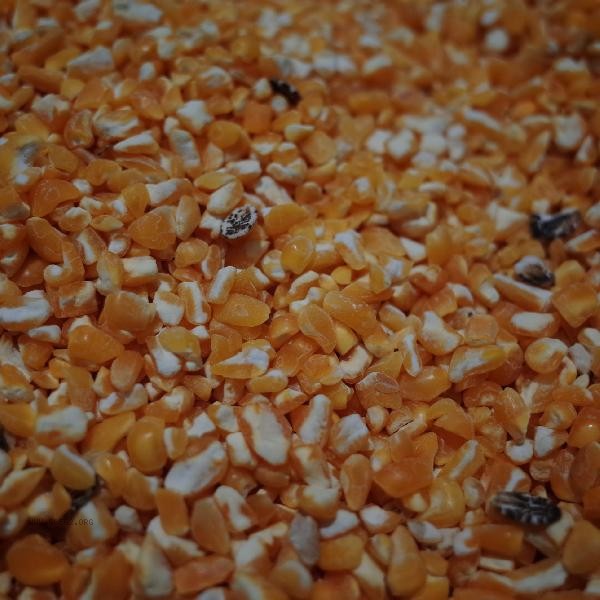
Fresh corn contains resistant starch and insoluble dietary fiber, which can promote intestinal peristalsis and reduce fat absorption. Lutein and zeaxanthin in corn have antioxidant properties. It is recommended to choose steaming or baking as the way of consumption, and avoid adding high calorie ingredients such as butter. A medium-sized corn provides about 90 calories and is suitable as a healthy snack between two meals.
4. Buckwheat
Buckwheat is a low glycemic index food, rich in flavonoids such as rutin, which can improve microcirculation and metabolic function. The amino acid composition in buckwheat protein is relatively balanced, which helps maintain muscle mass. Buckwheat noodles or buckwheat rice can replace some staple foods, but attention should be paid to controlling the total intake. People who are allergic to gluten can choose buckwheat as a wheat substitute.
5. Sweet Potato
Sweet potatoes are rich in dietary fiber and carotenoids, and their sweetness comes from natural sugars, with a lower glycemic index than ordinary potatoes. The mucin component in sweet potatoes helps protect the gastrointestinal mucosa. It is recommended to use steaming or baking cooking methods to avoid deep frying. Medium sized sweet potatoes provide about 100 calories and can be used as a staple food substitute for dinner. During weight loss, it is important to control the total calorie intake when consuming coarse grains. It is recommended that coarse grains account for one-third to one-half of the daily staple food intake. Different coarse grains can be rotated for consumption to ensure nutritional balance, while being paired with high-quality protein and fresh vegetables. Avoid excessive processing of coarse grains or adding high calorie ingredients, and try to use low-fat methods such as steaming and boiling when cooking. It is recommended to combine 150 minutes of moderate intensity exercise per week, such as brisk walking, swimming, etc., to achieve better weight loss results. If gastrointestinal discomfort occurs, it is advisable to reduce the intake of coarse grains or extend the cooking time appropriately.









Comments (0)
Leave a Comment
No comments yet
Be the first to share your thoughts!