
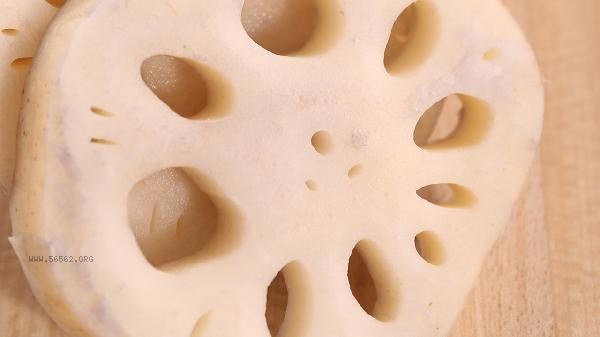
Soaking lotus roots in light salt water or white vinegar water can prevent blackening. The blackening of lotus root is mainly related to the activity of polyphenol oxidase, which can be effectively maintained by inhibiting enzyme activity in acidic or saline environments. After being cut open, lotus roots are prone to oxidation and blackening when exposed to air, because the polyphenols they contain undergo enzymatic browning under the action of polyphenol oxidase. Soaking in diluted salt water alters cell structure through osmotic pressure, reducing enzyme substrate contact; White vinegar water utilizes an acidic environment to directly inhibit enzyme activity, both of which can block melanin production. It is recommended to soak the peeled and cut lotus roots immediately during operation. The concentration of salt water should be controlled at around 3%, and the ratio of white vinegar to water should be about 1:10. The soaking time should be 10-15 minutes. Attention should be paid to avoiding the use of iron containers, as iron ions can react with phenolic substances to exacerbate blackening. In special circumstances, if the lotus root has slightly turned black, you can try soaking it in diluted lemon juice to remedy it. Citric acid can reduce some of the oxidation products. But if lotus roots are stored for too long or show obvious signs of decay, it is not recommended to continue consuming them. For lotus root slices that need to be stored for a long time, they can be blanched and soaked in cold water. High temperature can completely inactivate oxidase, but it may lose some of the crisp taste.
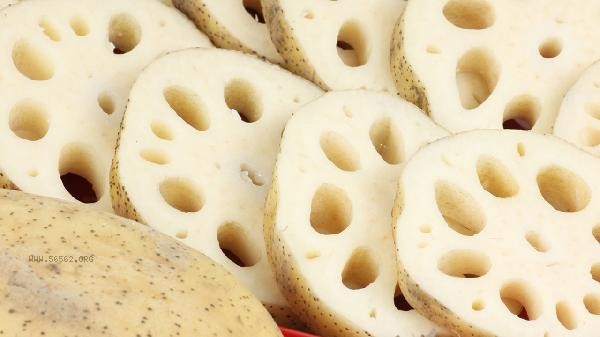
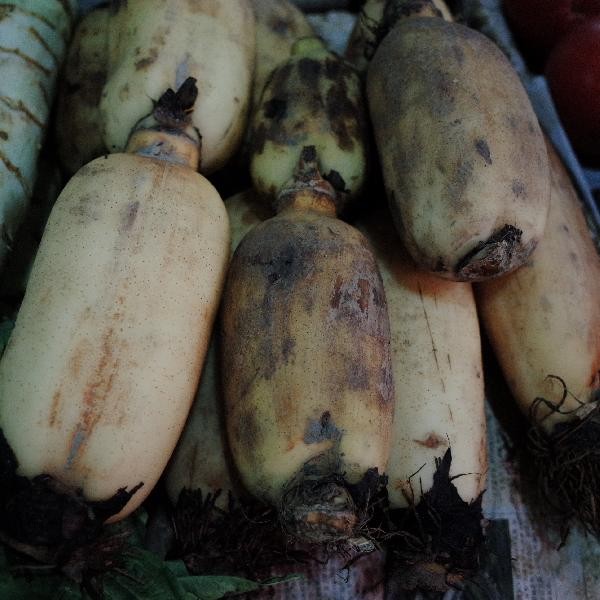
When handling lotus roots in daily life, it is recommended to cut and use them immediately, soak them, and cook them as soon as possible. Cold lotus root slices can be paired with a small amount of sesame oil to form a protective layer that blocks air. When stir frying, it is advisable to use high heat and fast frying to reduce oxidation time. Uncut lotus roots should be stored with a moist surface and wrapped in plastic wrap for refrigeration, avoiding being stored together with fruits that release ethylene such as apples and bananas. When choosing fresh lotus roots, it is best to choose those with smooth skin and no scars, and short and thick lotus nodes, as their oxidation rate is relatively slow.








Comments (0)
Leave a Comment
No comments yet
Be the first to share your thoughts!