
When cooking frozen dumplings, attention should be paid to controlling the water temperature, adjusting the cooking time, avoiding adhesion, observing the floating and sinking state, and seasoning reasonably. Proper handling can maintain the taste and nutrition of dumplings, and reduce the probability of skin breakage.
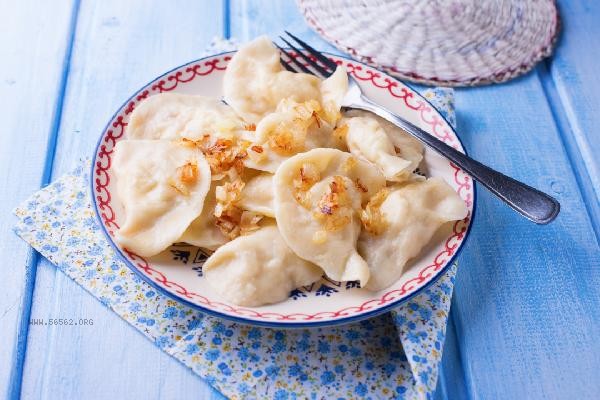
1. Water temperature control
Frozen dumplings need to be boiled in cold water, and a slow increase in water temperature can help the dough thaw evenly. If boiling water is added to the pot, rapid heating of the outer layer can easily cause the skin to break and the filling to leak. It is recommended that the water volume should exceed three times the volume of the dumplings to leave space for heat conduction. electromagnetic stove users can choose continuous heating mode, while gas stoves are recommended to use medium heat heating.
2. Time Adjustment
The cooking time for frozen dumplings is extended by about two minutes compared to fresh dumplings, usually taking 8-10 minutes. During this period, a small amount of cold water can be added in three stages to cool down and promote complete maturation of the filling. Judging the ripeness by lightly pressing the dumpling skin, rapid rebound indicates that the heat is in place. Cast iron pots can transfer heat quickly and the time can be appropriately shortened, while glass pots require extended observation.
III. Anti adhesion Techniques
Before putting frozen dumplings into the pot, dip a small amount of cooking oil or add a spoonful of salt to the water. During the cooking process, use a wooden spoon to gently push the bottom of the pot to prevent sticking. When dumplings are found to be close to each other, immediately use a strainer to separate them. If the dumplings have broken skin, they should be promptly removed to avoid affecting the clarity of the soup.
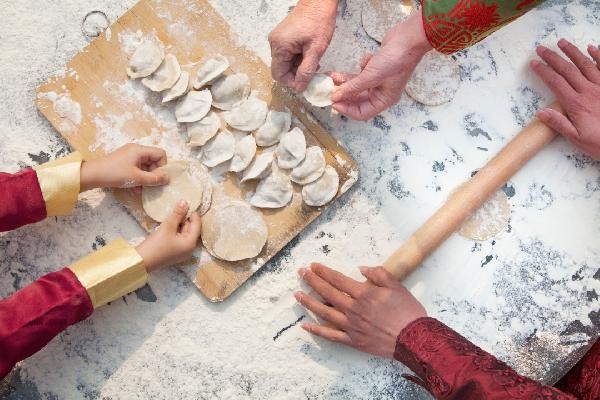
4. Observation of Floatation and Sinking
The first time the dumpling floats up only represents that the dough is fully cooked, and it needs to be continued to be cooked until the filling is completely ripe. For meat filled dumplings, observe the state of Noodles in soup oil splashes, and judge the vegetable fragrance of plain filled dumplings. In the later stage of cooking, dumplings will present a full and firm final form, which is the best time for consumption.
Fifth, Seasoning Method
Frozen dumplings are prone to losing their freshness due to low temperature storage. Ginger slices and scallions can be added to the soup base to enhance freshness. It is advisable to use garlic paste and vinegar sauce as dipping sauce to balance the greasy feeling of frozen meat filling. Seafood filling is recommended to be paired with ginger and soy sauce, while mushroom filling is suitable for sesame oil seasoning. People with heavy flavors can add chili oil, but the amount should be controlled to avoid masking the original flavor of the ingredients.
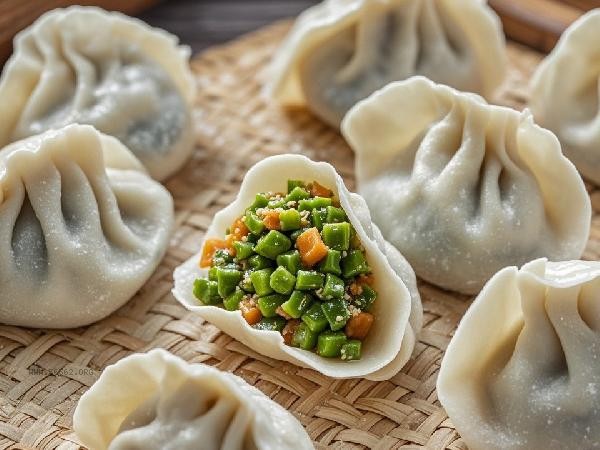
Frozen dumplings that have been cooked should be consumed as soon as possible. If left for too long, the dough will absorb moisture and become soft. The remaining dumplings can be laid flat and cooled before refrigeration, and steaming is preferred when reheating. For those with weak gastrointestinal function, it is recommended to take it with Seaweed soup or millet porridge to help digestion and absorption. When choosing dumplings, you can pay attention to the ingredient list and avoid frozen products containing too many preservatives. Homemade dumplings should not be frozen for more than a month to ensure nutrition and taste.








Comments (0)
Leave a Comment
No comments yet
Be the first to share your thoughts!