
It is generally not recommended to deliberately lose weight during the menstrual period. At this time, the body is more sensitive, and it is advisable to eat high protein and low-fat foods, foods rich in iron, foods rich in vitamin B, foods rich in dietary fiber, and warming foods in moderation to maintain nutritional balance. If weight control is necessary, it is recommended to consult a doctor and use medication such as Orlistat capsules, L-carnitine tablets, Metformin tablets, Fentemine hydrochloride capsules, or Liraglutide injection as an adjunct.
1. Food
1. High protein and low-fat food
Endometrial shedding during menstruation may lead to blood loss, and consuming high-quality protein such as chicken breast, shrimp, or eggs at this time can help maintain muscle mass. Protein digestion is slower, which can prolong satiety and reduce the tendency of binge eating caused by hormonal fluctuations during menstruation. When cooking, it is recommended to choose steaming and boiling methods to avoid frying and increasing the burden on the gastrointestinal tract.
2. Iron rich foods
Foods such as animal liver, duck blood, or spinach have high iron content and can prevent iron deficiency anemia caused by menstrual bleeding. Iron is involved in hemoglobin synthesis, and moderate supplementation can improve menstrual fatigue symptoms. It is recommended to consume plant-based iron sources in combination with colored peppers with high vitamin C content to increase absorption rate.
3. Foods rich in vitamin B
Grains such as oats and whole wheat bread contain vitamins B1 and B6, which can regulate premenstrual tension and reduce edema. B vitamins, as coenzymes, participate in energy metabolism and help maintain the basal metabolic rate during menstruation. However, it is important to avoid choosing precision processed grain products.
4. Foods rich in dietary fiber
The dietary fiber in foods such as konjac and broccoli can promote gastrointestinal peristalsis and alleviate menstrual constipation. Dietary fiber can expand when exposed to water, increasing the volume of stomach contents and creating a feeling of fullness. When consuming, it is necessary to drink sufficient water, and the recommended daily water intake is 2000 milliliters.
5. Warm and tonic foods
Brown sugar ginger tea, yam and red jujube Congee and other warm and hot foods can improve some women's menstrual chills. This type of food has a high sugar content and should be consumed in moderation. Drinking no more than 200 milliliters of brown sugar water at a time can prevent blood sugar fluctuations from exacerbating menstrual fatigue.
2. Drug
1. Orlistat capsules
are suitable for obese patients by inhibiting gastrointestinal lipase to reduce fat absorption. This medication may cause oily stools or an increase in bowel movements. When using it during menstruation, be alert to the risk of diarrhea. During the medication period, it is necessary to follow a low-fat diet. Long term use may lead to a deficiency of fat soluble vitamins.
2. L-carnitine tablets
are often used as exercise supplements to promote fatty acid oxidation metabolism, but clinical trials have shown that their effect on simple obesity is limited. During menstruation, caution should be taken as it may cause nausea or abdominal discomfort. Patients with cardiovascular diseases should use it with caution.
3. Metformin tablets
are mainly applicable to type 2 diabetes patients with obesity, and can improve insulin resistance. Non diabetes patients may be at risk of lactic acidosis when using it. It is necessary to monitor whether hypoglycemia symptoms such as fatigue and sleepiness occur during menstruation.
4. Fentemine Hydrochloride Capsules
are central appetite suppressants that produce satiety by affecting the hypothalamic feeding center. May cause side effects such as dry mouth and insomnia, and is contraindicated for individuals with a history of cardiovascular disease or hypertension. Long term use may lead to drug dependence.
5. Liraglutide Injection
GLP-1 receptor agonist class hypoglycemic drug, which has the effects of delaying gastric emptying and suppressing appetite. Subcutaneous injection is required for use, and common adverse reactions include gastrointestinal symptoms such as nausea and vomiting. Menstrual use may exacerbate pre-existing digestive discomfort.
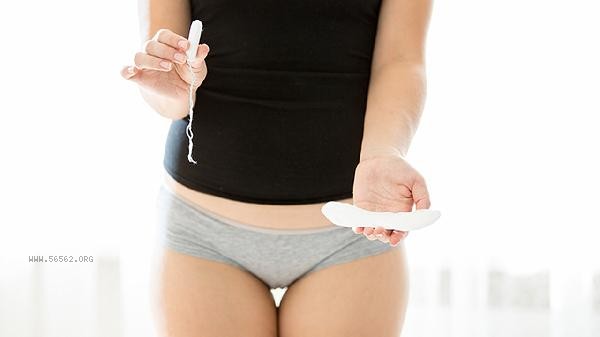
The basic metabolic rate of women during menstruation will rise slightly, but affected by the progesterone level, they are prone to water and sodium retention. At this time, body fat measurement may be distorted. It is recommended to use gentle aerobic exercises such as brisk walking or yoga to avoid high-intensity exercise exacerbating pelvic congestion. Ensuring 7-8 hours of sleep per day helps stabilize leptin levels, and one week after the end of menstruation is the golden period for weight loss. It is recommended to increase exercise appropriately. All medications must be evaluated by a doctor before use, and self combination therapy or overdose use is prohibited.








Comments (0)
Leave a Comment
No comments yet
Be the first to share your thoughts!