
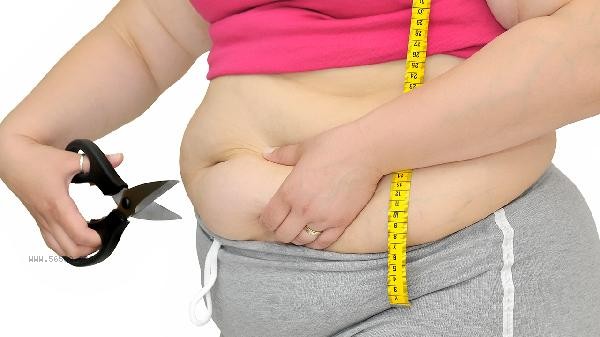
Not defecating during weight loss can be improved by adjusting diet structure, increasing exercise, supplementing water, following a regular schedule, and using medication. Not defecating during weight loss may be related to factors such as insufficient dietary fiber intake, reduced exercise, lack of water, disrupted gut microbiota, and medication side effects.
1. Adjusting dietary structure
Increasing the intake of foods rich in dietary fiber can help promote gastrointestinal peristalsis and improve constipation. Dietary fiber can absorb water, increase fecal volume, and stimulate intestinal peristalsis. During weight loss, it is recommended to consume moderate amounts of oats, broccoli, apples, and other foods. Avoid excessive dieting that leads to insufficient food residue and affects normal bowel movements. It is recommended to consume 25-30 grams of dietary fiber per day, with multiple meals being more effective.
2. Increase exercise volume
Moderate exercise can enhance abdominal muscle strength and promote intestinal peristalsis. It is recommended to choose aerobic exercises such as brisk walking, swimming, yoga, etc., each lasting for more than 30 minutes. Abdominal breathing during exercise can help massage the intestines and promote bowel movements. Avoid prolonged sitting and get up and move for 5-10 minutes every hour. Moderate hydration after exercise is more effective.
3. Supplement Water
Drinking enough water every day can soften feces. It is recommended to drink 1500-2000 milliliters of warm water every day. Drinking a glass of warm water on an empty stomach in the morning can stimulate gastrointestinal motility. Avoid drinking sugary drinks and choose light tea or lemon water. Water intake should increase synchronously with dietary fiber intake, otherwise it may worsen constipation.
4. Regular sleep schedule
Establishing a fixed defecation habit can help improve constipation. It is recommended to go to the toilet within 2 hours after waking up in the morning or after meals. Avoid suppressing the urge to defecate, and defecate immediately when there is a urge to defecate. Maintain sufficient sleep, as lack of sleep can affect autonomic nervous system function and slow down intestinal peristalsis. Abdominal massage can be performed before bedtime to promote intestinal peristalsis.
5. Medication
For severe constipation, follow the doctor's advice to use laxatives such as lactulose oral solution, polyethylene glycol 4000 powder, Bisacodine enteric coated tablets, etc. Probiotic preparations such as Bifidobacterium triple active capsules can regulate gut microbiota. Avoid long-term dependence on stimulant laxatives, which may damage the enteric nervous system. During the medication period, dietary and exercise adjustments should be coordinated. During weight loss, if constipation occurs, excessive anxiety should be avoided, and maintaining a good mindset can help improve symptoms. Suggest recording daily diet and bowel movements to identify possible influencing factors. If there is no improvement in symptoms after adjusting lifestyle, or accompanied by abdominal pain, rectal bleeding, etc., timely medical examination should be sought to rule out organic diseases. Long term constipation may lead to complications such as hemorrhoids and anal fissures, which should be taken seriously. Weight loss should be gradual and avoid extreme dieting that can lead to malnutrition and gastrointestinal dysfunction.








Comments (0)
Leave a Comment
No comments yet
Be the first to share your thoughts!