
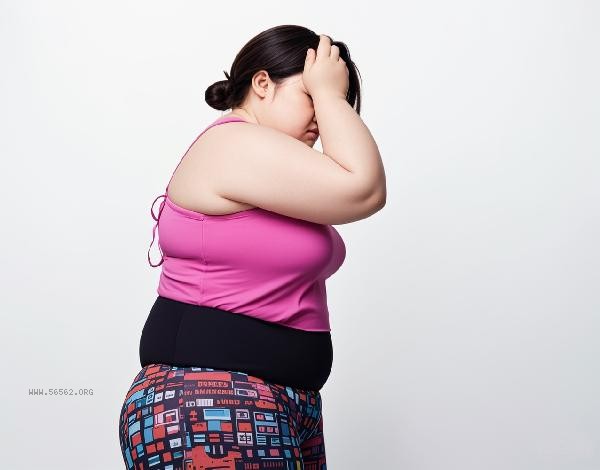
Dieting to lose weight can lead to a decrease in menstrual flow, which can be improved through adjusting dietary structure, supplementing nutrition, moderate exercise, psychological adjustment, medical intervention, and other methods.
1. Adjust dietary structure
Daily calorie intake should not be lower than basal metabolic requirements, increase intake of high-quality proteins such as eggs and fish, and ensure that carbohydrates account for more than 40% of total calories. Recommend consuming low glycemic index staple foods such as whole grains and quinoa, paired with 300-500 grams of dark vegetables per day. To avoid completely cutting off fat intake, it is recommended to consume 20-30 grams of healthy fats such as nuts or olive oil daily.
2. Supplement key nutrients
Focus on supplementing iron to prevent anemia, which can be obtained through animal liver, spinach, etc; Zinc requires 15 milligrams per day, and oysters and pumpkin seeds are rich in content; Vitamin B can be supplemented through whole grains and lean meat; If necessary, follow the doctor's advice to take nutritional supplements such as compound ferrous glucosamine tablets and multidimensional element tablets (21).
3. Establish moderate exercise habits
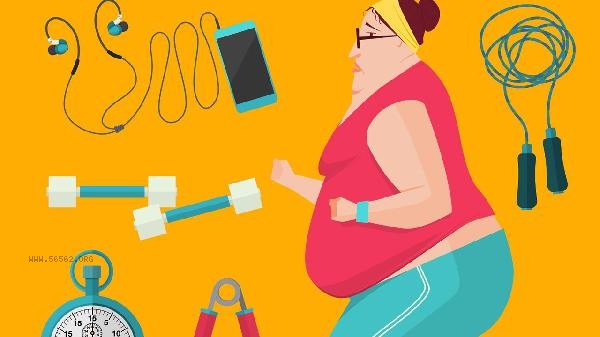
Engage in 3-5 low-intensity aerobic exercises such as brisk walking and yoga per week, each lasting 30-45 minutes. Avoid prolonged high-intensity exercise and replenish electrolytes and carbohydrates promptly after exercise. The exercise heart rate should be controlled within the range of (220 age) x 60%, and the recommended weight loss rate is no more than 2-4 kilograms per month.
4. Psychological state regulation
Relieves weight loss anxiety through mindfulness training and ensures 7-8 hours of sleep per day. Seek psychological counseling when necessary to establish a healthy body image cognition. Can record changes in menstrual cycle to avoid excessive attention to short-term weight fluctuations, weighing should not exceed once a week.
5. Medical Evaluation and Intervention
If amenorrhea exceeds 3 months, medical examination is required to evaluate ovarian function through six hormone tests, pelvic ultrasound, etc. Doctors may suggest that hormone drugs such as estradiol valerate tablets/estradiol cyproterone tablets should be used to regulate the cycle, or traditional Chinese patent medicines and simple preparations such as modified Xiaoyao pills should be prescribed for adjuvant treatment.
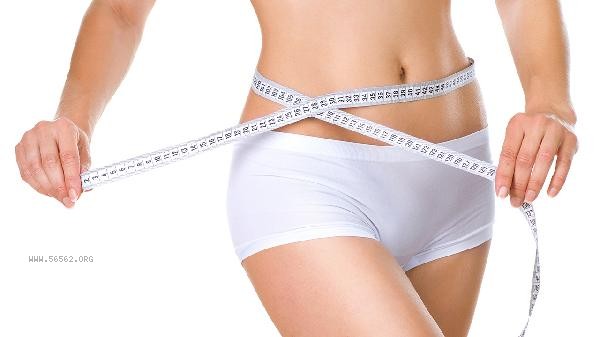
During the recovery period, it is important to maintain a regular schedule and avoid staying up late and excessive dieting. Daily water intake is 1500-2000 milliliters, and it is recommended to consume medicinal and edible ingredients such as red dates and goji berries in moderation. It is recommended to measure body fat indicators such as waist circumference and hip circumference every week instead of single weight monitoring. If symptoms of anemia such as dizziness and fatigue occur, hemoglobin levels should be tested in a timely manner. After menstrual recovery, it is still necessary to maintain a balanced diet for 3-6 months and gradually establish a sustainable healthy weight loss model.








Comments (0)
Leave a Comment
No comments yet
Be the first to share your thoughts!