
Constipation caused by weight loss can be improved by adjusting dietary structure, increasing dietary fiber intake, moderate exercise, supplementing probiotics, and using medication as prescribed when necessary. Constipation during weight loss is usually related to factors such as a sudden decrease in dietary calories, insufficient dietary fiber, imbalanced gut microbiota, insufficient water intake, and weakened gastrointestinal motility.
1. Adjust dietary structure
Ensure regular three meals a day and avoid excessive dieting. For breakfast, you can eat oatmeal Congee with Kia seeds; for lunch, you can choose brown rice with stir fried broccoli; for dinner, you can add low calorie and high fiber foods such as cold shredded konjak. It is not recommended to consume less than 1200 calories per day during weight loss to avoid slowing down gastrointestinal motility due to insufficient calories.
2. Increase dietary fiber
Daily intake of 25-30 grams of dietary fiber is recommended, with a preference for soluble and insoluble fiber combinations. It is recommended to add 10 grams of avocado shell powder to breakfast and drink it. In the morning, have an apple with a skin as an extra meal. For lunch, pair it with half a bowl of steamed pumpkin. Before dinner, have 5 dried figs. Dietary fiber should be accompanied by sufficient drinking water, with 15 milliliters of water required for every 1 gram of fiber intake.
3. Moderate Exercise
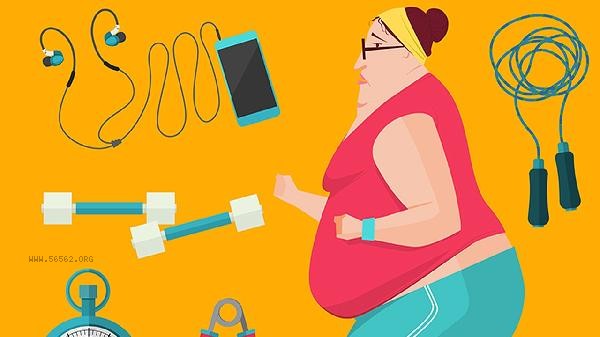
Engage in 30 minutes of exercise every day to promote intestinal peristalsis, do 10 minutes of clockwise abdominal massage on an empty stomach in the morning, and do brisk walking or yoga twisting postures one hour after meals. Avoid sitting for long periods of time, get up and move for 3-5 minutes every hour, and use anal exercises to enhance pelvic floor muscle strength. The appropriate intensity of exercise is slight sweating, as excessive exercise may worsen dehydration.
4. Supplement probiotics
Choose fermented foods containing live bacteria such as bifidobacteria and lactic acid bacteria, and drink 200ml of sugar free yogurt or 30g of kimchi daily. If necessary, follow the doctor's advice to take probiotics such as Bifidobacterium triple active capsules and Bacillus subtilis double active granules, and avoid taking them together with antibiotics. Probiotic supplementation needs to last for 2-4 weeks to establish a stable microbiota.
5. Drug intervention
If lifestyle adjustments are ineffective, short-term use of osmotic laxatives such as lactulose oral solution, polyethylene glycol 4000 powder, or laxatives such as glycerin can be used under the guidance of a doctor to assist defecation. Prohibit the use of stimulant laxatives such as senna leaves and rhubarb to avoid drug dependence. When combined with bloating, mosapride citrate tablets can be used to promote gastrointestinal motility. During weight loss, it is necessary to maintain a daily intake of 1500-2000 milliliters of water. Drinking 300 milliliters of warm water on an empty stomach in the morning can stimulate the gastrocolic reflex. Avoid excessive reliance on meal replacement foods and maintain a weight loss rate of 0.5-1 kilogram per week. If constipation is accompanied by abdominal pain, rectal bleeding, or continuous weight loss, seek medical attention promptly to rule out organic diseases. Establish a fixed defecation time, such as using the toilet 15 minutes after breakfast to cultivate defecation reflex.









Comments (0)
Leave a Comment
No comments yet
Be the first to share your thoughts!