
Constipation caused by dieting and weight loss can be alleviated through adjusting dietary structure, supplementing dietary fiber, moderate exercise, regular sleep, medication treatment, and other methods. Constipation caused by dieting and weight loss is usually caused by reduced dietary intake, insufficient dietary fiber intake, slowed gastrointestinal motility, imbalanced gut microbiota, and insufficient water intake.
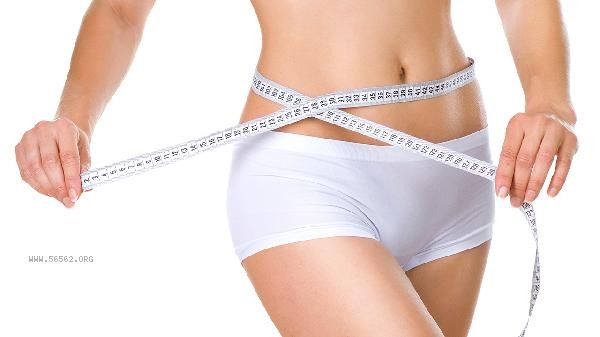
1. Adjust dietary structure
Increase the amount of food appropriately to avoid excessive dieting. Three meals a day should be scheduled and quantified. Breakfast should be full, lunch should be good, and dinner should be small. Add foods rich in dietary fiber to the diet, such as whole grains like oats, brown rice, and whole wheat bread, as well as vegetables like broccoli, spinach, and celery. Moderate intake of foods rich in probiotics, such as yogurt, kimchi, etc., can help improve the balance of gut microbiota.
2. Supplementing dietary fiber
Dietary fiber can increase fecal volume and promote intestinal peristalsis. You can eat more fruits rich in soluble dietary fiber such as apples, bananas, and dragon fruit, as well as mushroom and algae foods rich in insoluble dietary fiber such as fungus, shiitake mushrooms, and seaweed. Dietary fiber supplements such as wheat cellulose granules and psyllium husk powder can also be used under the guidance of a doctor.
3. Moderate exercise
Doing 30-60 minutes of moderate intensity aerobic exercise every day, such as brisk walking, jogging, swimming, etc., can promote gastrointestinal peristalsis. After meals, engage in light activities such as taking a 15-30 minute walk and avoid sitting or lying down immediately. Abdominal massage can also help relieve constipation. Massage the abdomen clockwise for 5-10 minutes each time. 4. Develop the habit of regular bowel movements and use the toilet at a fixed time every day, even if you don't feel like using it. Avoid holding your stool and defecate promptly when you feel the urge to do so. Ensure sufficient sleep, 7-8 hours a day, and avoid staying up late. Maintain a happy mood and reduce mental stress, as anxiety and tension can exacerbate constipation.
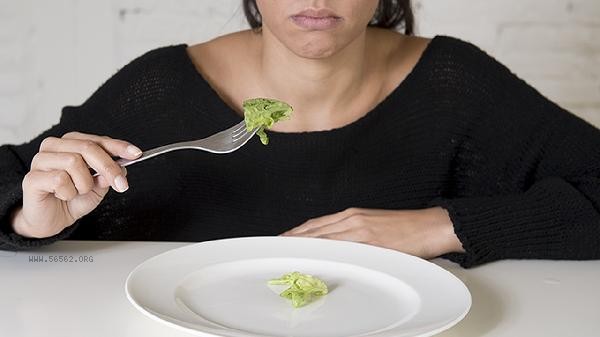
5. Medication therapy [SEP]: Penetrating laxatives such as lactulose oral solution and polyethylene glycol 4000 powder can be used under the guidance of a doctor, or stimulating laxatives such as Bisacodine enteric coated tablets and Senna granules can be used. Probiotic preparations such as Bifidobacterium triple active capsules and Bacillus subtilis double active granules can regulate gut microbiota. Avoid long-term dependence on laxatives to prevent drug dependence. During dieting and weight loss, it is important to ensure a daily water intake of 1500-2000 milliliters. Drinking a glass of warm water on an empty stomach in the morning can help stimulate gastrointestinal motility. To avoid malnutrition caused by excessive dieting, the weight loss rate should not be too fast, and it is advisable to lose 0.5-1 kilogram per week. If constipation symptoms persist or are accompanied by abdominal pain, bloody stools, etc., timely medical examination should be sought to rule out organic diseases. Maintaining good eating and exercise habits in daily life is essential to fundamentally prevent constipation from occurring.









Comments (0)
Leave a Comment
No comments yet
Be the first to share your thoughts!