
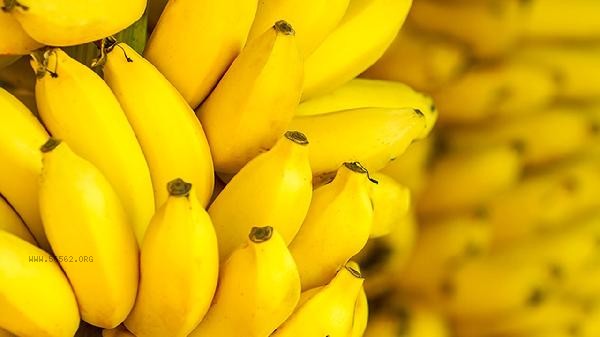
Bananas are best preserved in an environment between 12-15 degrees Celsius. High temperatures can cause bananas to ripen and rot too quickly, while low temperatures may cause frostbite and blackening. The preservation effect of bananas is mainly affected by factors such as temperature, humidity, ventilation conditions, maturity, and storage methods.
1. Temperature Control
Bananas are tropical fruits that are sensitive to low temperatures. When the ambient temperature is below 12 degrees Celsius, banana epidermal cells will be damaged by freezing and black spots will appear. Temperatures exceeding 15 degrees Celsius will accelerate the release of ethylene, causing bananas to quickly soften and spoil. The temperature in the refrigerator compartment of a household refrigerator is usually 4-8 degrees Celsius. Direct refrigeration can cause the banana peel to turn black. It is recommended to wrap it in newspaper and place it in a cool and ventilated place.
2. Humidity regulation
Bananas are suitable for storage in an environment with a relative humidity of 85% -90%. Low humidity can cause water loss and shrink the skin, while high humidity can easily breed mold. You can place a damp towel or wrap the bananas in a container to avoid mixing them with fruits and vegetables that release a lot of water. Green bananas require high humidity to promote post ripening, while mature yellow bananas require appropriate humidity reduction.
3. Ventilation Management
Bananas release a large amount of ethylene gas during their metabolism, and enclosed environments can accelerate spoilage. Completely sealed plastic bags should be avoided for storage, and hollow fruit baskets or paper bags can be chosen. Ethylene absorbents are commonly used in commercial transportation to delay ripening. Bananas can be hung in a well ventilated area and placed separately from fruits such as apples that release a large amount of ethylene.
4. Maturity differentiation
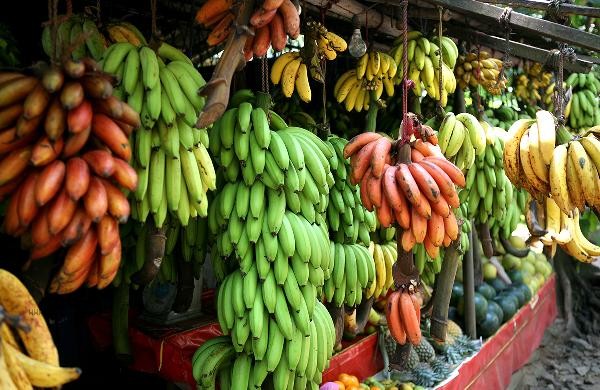
Green immature bananas have strong storage tolerance and can be placed in a slightly higher temperature environment to promote post ripening. Bananas with yellow spots on the skin should be consumed as soon as possible. They can be stored in the refrigerator to delay decay, but the taste may deteriorate. The peeled banana flesh needs to be coated with lemon juice and sealed for refrigeration. Bananas that have been frozen are suitable for making milkshakes or baked goods.
5. Storage Method
Hanging storage can reduce mechanical damage caused by compression and avoid stacking bananas with other heavy objects. A whole bunch of bananas has a longer shelf life than a single one, and breaking the banana stem can accelerate oxidation and spoilage. If long-term storage is required, ripe bananas can be peeled and cut into pieces, and then vacuum frozen to minimize nutrient loss. Bananas should not be stored together with root vegetables such as potatoes, as the sprouting gas released by the latter can promote over ripening of bananas.
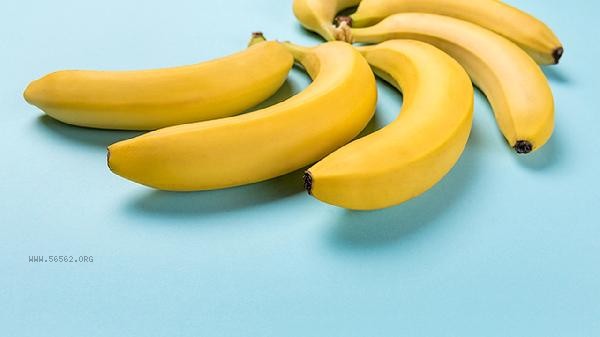
When storing bananas in daily life, you can choose a cool and dark kitchen corner and hang the banana skewer handle with a hook. During high temperatures in summer, wrap the banana stalks with plastic wrap to slow down ripening. In winter, avoid approaching radiators or air conditioning vents. When purchasing, choose green bananas with intact stems and undamaged skin, and ripen them in batches as needed to extend the consumption cycle. If a large area of black spots are found on the banana peel but the flesh is intact, the skin can be removed and used to make desserts such as banana cake and ice cream, reducing food waste.








Comments (0)
Leave a Comment
No comments yet
Be the first to share your thoughts!