
With the continuous development of society and the continuous improvement of people's living standards, more and more people are becoming overweight, including a large proportion of the elderly. There are many reasons for obesity in the elderly, some of which are lack of exercise; Some have an unbalanced diet, often eating meat and rarely consuming vegetables; Some are caused by certain diseases. Elderly people who are obese cannot lose weight through high-intensity exercise or dieting like young people. So, what should we do if the elderly become obese? Below is a detailed answer to this question for everyone.
Conventional treatment: Treating obesity starts with changing lifestyle, including adjusting diet, increasing exercise, and using medication reasonably.
(1) Behavioral therapy: should be gradually promoted. In addition to a guidance group composed of internists, psychologists, nutritionists, and nurses, family cooperation should also be obtained to guide patients in developing plans, changing eating behaviors, and regularly checking the effectiveness of plan implementation. In addition to planning what and how much to eat, attention should also be paid to eating habits and environment, such as increasing chewing frequency, slowing down eating speed, avoiding watching TV or listening to the radio while eating, and overcoming impulsiveness when eating during periods of fatigue, boredom, and depression.
(2) Dietotherapy: Reasonable diet is one of the important measures to prevent and treat obesity in the elderly. In the past, many patients mistook dietotherapy for "strict control of staple food and relaxation of non-staple food", and long-term acceptance of a diet of high protein, high fat and low carbohydrate, which led to the difficulty of patients to achieve the goal of weight control, and even caused or aggravated hyperlipoproteinemia, increased insulin resistance, and promoted or aggravated atherosclerosis, hypertension, kidney disease and other vascular complications due to high protein and fat diet.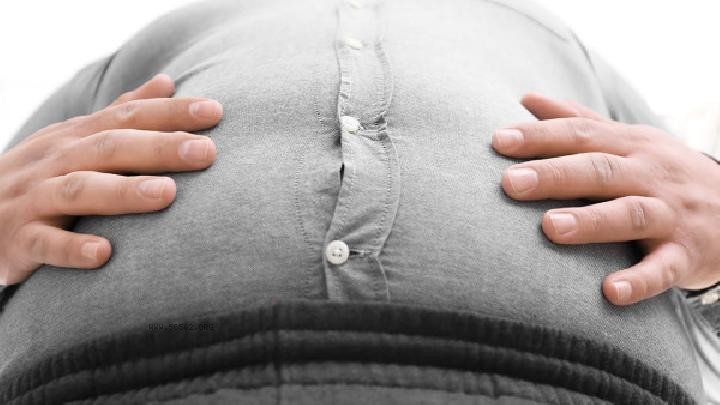
Adhere to the basic principles of nutritional diet treatment for elderly obese patients: ① Ensure the balance and metabolic needs of various nutrients, so that the elderly obese can not only obtain normal life treatment, but also maintain normal or standard weight, and maintain Healthy and functional. ② Determine the total calorie intake based on the patient's obesity level and labor intensity. Obese or overweight individuals should adopt a low calorie diet, and it is recommended to gradually limit the total calorie intake. Weight loss should not be too fast or rapid, otherwise the patient will find it difficult to tolerate and persist. ③ Reasonable combination of dietary structure: After determining the total calories, the three major nutrients (carbohydrates, proteins, fats) and fiber should be reasonably matched. Currently, WHO advocates relaxing the proportion of carbohydrates appropriately under the premise of total calorie limitation.
There is a good answer to the question of how to deal with obesity in the elderly. Obesity of the elderly often indicates the occurrence of some diseases, such as hypertension, diabetes and cardiovascular disease, which are easily caused by obesity of the elderly. In addition to resting more in terms of diet, elderly people should also spend some time exercising. They can exercise in the morning, take a walk in the park after dinner, practice Tai Chi, dance, and other suitable exercises for the elderly. Of course, the mentality of the elderly is also very important, and they should avoid great joys and sorrows in life.





Comments (0)
Leave a Comment
No comments yet
Be the first to share your thoughts!