
After the whole bag of brown sugar has hardened, it can be restored by heating, sealing to prevent moisture, and cutting into pieces. The agglomeration of brown sugar is mainly related to factors such as moisture, temperature changes, and improper storage.
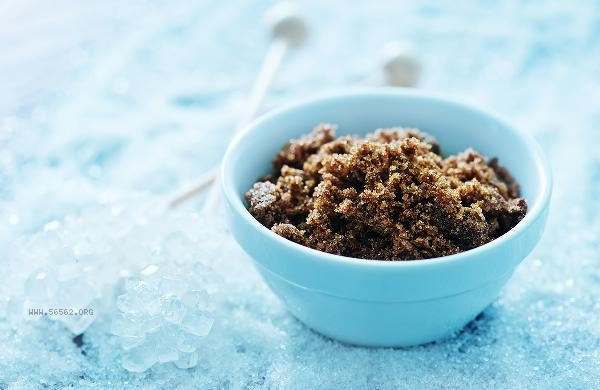
1. Heat and soften
Place the clumped brown sugar in the microwave at low heat for 10-15 seconds, or steam over water for 5 minutes. Heat can cause the sugar in brown sugar to dissolve again and restore its soft state. Pay attention to controlling the heating time to avoid coking, and use or reseal immediately after treatment.
2. Sealed and moisture-proof
Place food desiccants in brown sugar containers or wrap them with plastic wrap and store them in sealed cans. Brown sugar has strong hygroscopicity and is prone to absorb moisture upon contact with air, leading to clumping. The storage environment should be kept dry and cool, with a recommended relative humidity of below 60%.
3. Cutting Processing
Use the back of the knife to lightly tap the edge of the hard block to break it, or wrap it in a towel and strike it into small pieces. This method is suitable for slightly clumped brown sugar and can be directly used for cooking after processing. Be careful to avoid violent tapping that may cause sugar particles to splash, and it is recommended to wear goggles during operation.
4. Fruit preservation
Store apple slices or bread cubes in brown sugar and seal for 1-2 days. The ethylene gas and moisture released by fruits can slowly soften sugar cubes. This method is suitable for situations where it is not urgently needed and should be regularly checked to prevent fruit mold.
5. Grinding and sieving
Crush the hard brown sugar with a blender and sieve it to obtain uniform powdered sugar. Grind brown sugar is more soluble and suitable for making beverages or baking. Keep the equipment dry during operation and use it as soon as possible after processing to prevent clumping again.
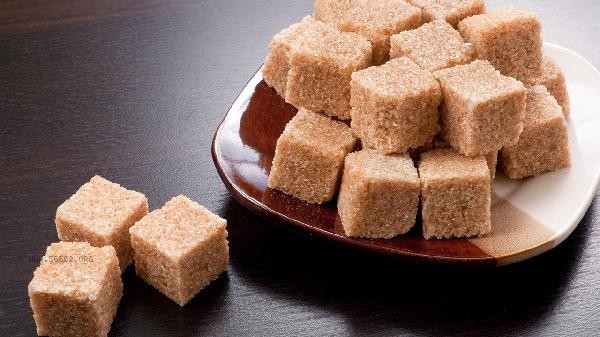
It is recommended to choose ceramic or glass sealed jars for daily storage of brown sugar and avoid using metal containers. Large packaging can be divided into small portions for use, reducing the number of times it needs to be opened. If brown sugar shows obvious dampness, mold or odor, it should not be continued to be consumed. When cooking, brown sugar can be mixed and stirred with liquid ingredients to prevent clumping and affect the taste. Regularly check the humidity of the storage environment and use dehumidification equipment to maintain dryness if necessary.








Comments (0)
Leave a Comment
No comments yet
Be the first to share your thoughts!