
Bitter vegetables can be improved by blanching, pairing with seasonings, and selecting tender leaves. The bitterness of green vegetables mainly comes from glucosinolates, which are related to factors such as variety, growth environment, and storage conditions.
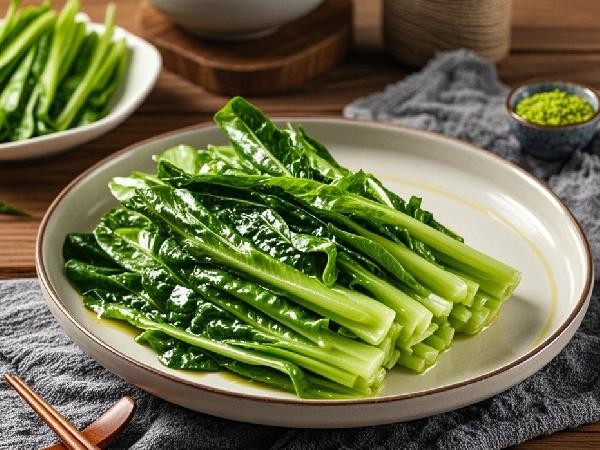
1. Blanching treatment
Quickly blanch the washed vegetables in boiling water and remove them, which can effectively decompose bitter substances. The blanching time should be controlled within half a minute to avoid nutrient loss. Immediately supercooling after blanching can maintain the emerald green color, reduce bitterness, and retain a crisp taste. This method is suitable for common bitter vegetables such as mustard greens and borage.
2. Seasoning and
Stir fry vegetables with minced garlic until fragrant. The garlic aroma can mask some bitterness. Or add a small amount of sugar, oyster sauce, fermented black beans and other fresh and sweet seasonings to balance the taste. When served cold, it can be paired with strong flavored sauces such as sesame paste and peanut butter to reduce the perception of bitterness through flavor enhancement. This type of method is suitable for cooking slightly bitter vegetable leaves such as lettuce and dandelion leaves.
3. Optimal Variety
Choose the current season's tender seedlings or organically grown vegetable varieties with lower levels of bitter substances. For example, small chicken feather vegetables are fresher and sweeter than large ones, and shepherd's purse harvested in spring has a weaker bitter taste than old leaves harvested in autumn. When purchasing, observe whether the leaves are fresh, tender, and full, and avoid choosing aged vegetables with thick stems.
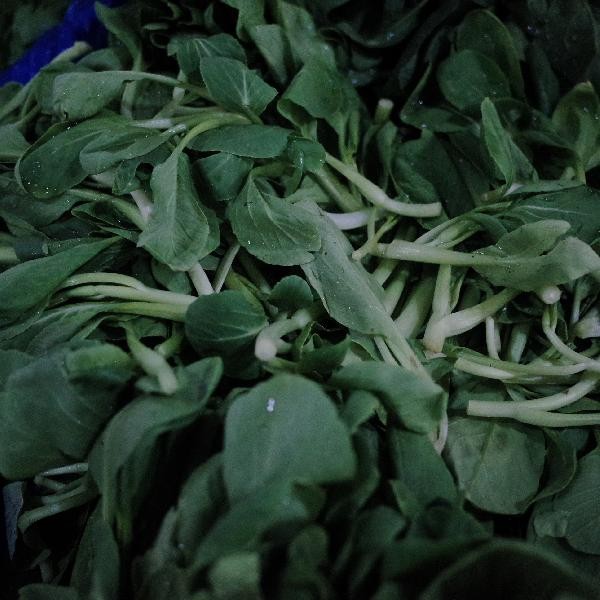
4. Scientific storage
Fresh vegetables should be sealed in a fresh-keeping bag and refrigerated to delay the formation of bitter substances. Not suitable for long-term storage, it is recommended to consume within two days. Blanch before freezing, and the bitterness will be significantly reduced after thawing. During storage, avoid squeezing and damaging the leaves, otherwise it will accelerate the release of bitter substances.
5. Pairing Ingredients
Stir fry bitter vegetables with fresh and sweet ingredients such as mushrooms, carrots, and corn kernels to complement each other's flavors and reduce the bitterness. Adding pork ribs, dried scallops, and other ingredients to soup can enhance its freshness, and the richness of the soup can neutralize the bitterness of vegetables. When making dish Congee, it is paired with Century egg and lean meat. The complex taste makes the bitter taste soft and palatable. Bitter vegetables often have high nutritional value, such as mustard greens which are rich in calcium and vitamin K, and borage which contains a large amount of dietary fiber. Daily cooking can retain some bitter substances, which are plant compounds with antioxidant properties. For children or sensitive individuals, it is recommended to consume tender leaf parts in combination with dairy products, as casein in milk can encapsulate bitter molecules. Developing diverse vegetable intake habits, gradually adapting to different flavors, is more conducive to dietary balance.









Comments (0)
Leave a Comment
No comments yet
Be the first to share your thoughts!