
The dampness of steamed rice is usually caused by excessive water or insufficient heat. It can be improved by adjusting the water volume, controlling the cooking time, selecting suitable rice varieties, using draining steaming method, stirring before stewing rice, and other methods.
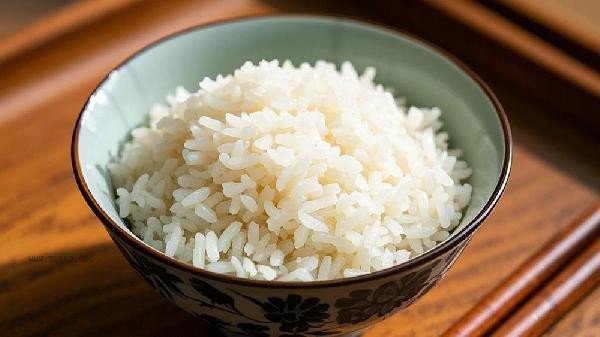
1. Adjusting water volume
The rice water ratio is a key factor affecting the dryness and wetness of rice. New rice has strong water absorption, and it is recommended to use a rice water ratio of 1:1.2; Chen Mi can be reduced to 1:1. When using the finger joint measurement method, the water surface should be just below the first horizontal line on the back of the hand. The markings on the inner pot of the rice cooker are for reference only and need to be adjusted according to the type of rice.
2. Control Cooking Time
The cooking process of a regular electric rice cooker takes about 40 minutes. If it trips in advance, it will cause residual moisture. To cook in a steamer, keep medium heat for 15 minutes and then reduce heat to low for 5 minutes. The use of a pressure rice cooker can shorten the time to 25 minutes, and the steam reflux design can reduce residual moisture.
3. Choose the appropriate rice variety
Japonica rice has moderate viscosity and is suitable for steaming rice, while long grain indica rice requires a 10% reduction in water content. After removing the starch on the surface of the unwashed rice, the water absorption rate decreases. Sprouted brown rice should be soaked for 2 hours in advance, and miscellaneous grains such as purple rice should be steamed separately to avoid uneven water infiltration.
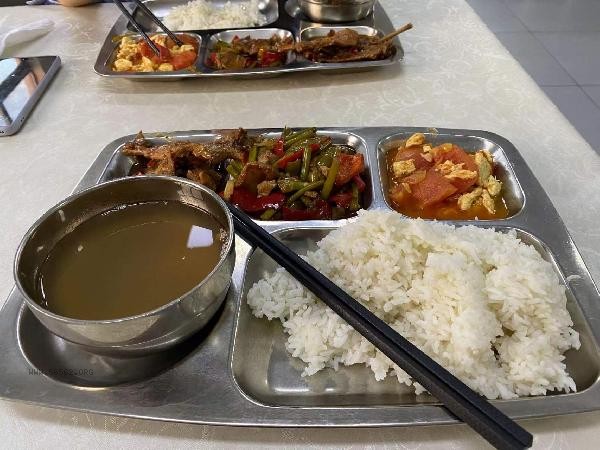
Fourth, using the draining steaming method
Traditional steaming can filter out excess rice soup, while modern steaming can be done by using a steamer with gauze to separate the water. Pre boil the rice grains until they are half cooked, then drain and steam to fully gelatinize the starch. This method is suitable for making special Fried Rice, which has clear grains and is not easy to agglomerate.
Fifth, stir before cooking
After the cooking process is completed, immediately open the lid and loosen the rice to allow residual steam to escape. Use a wooden shovel to flip upwards from the bottom to evenly distribute the moisture in the bottom layer. Continuous heating with insulation function will cause rice to regain moisture, it is recommended to turn off the power in a timely manner.

When steaming rice in daily life, soak the rice in cold water for 20 minutes to evenly absorb water, and use a sugar filter rice cooker to separate excess starch liquid. If steamed rice is too wet, it can be spread out and cooled, or a little sea salt can be added to absorb moisture. Pay attention to adjusting the cooking pressure in different altitude areas, and it is recommended to use pressure cooking appliances in high-altitude areas. When storing leftovers, they should be thoroughly cooled and sealed for refrigeration. When reheating, sprinkle a small amount of hot water to maintain the taste.








Comments (0)
Leave a Comment
No comments yet
Be the first to share your thoughts!