
The hardness of frozen dumplings after cooking can be improved by adjusting the water temperature, extending the cooking time, adding edible oil, controlling the heat, and reheating. The hardening of dumpling skins may be related to factors such as freezing dehydration, starch aging, and improper cooking methods.
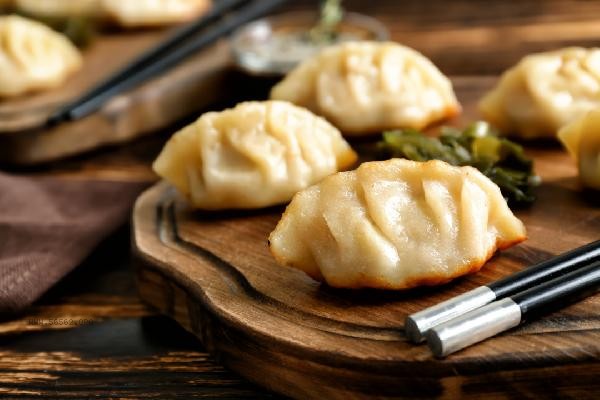
1. Adjust the water temperature
Frozen dumplings need to be boiled in cold water. A slow increase in water temperature helps the dough to be evenly heated. If boiling water is added to the pot, the outer layer of starch will quickly gelatinize while the inner layer will still freeze, which is prone to appearing soft on the outside and hard on the inside. It is recommended that the water volume should exceed three times the volume of the dumplings to avoid uneven heating caused by the accumulation of dumplings.
2. Extend cooking time
Frozen dumplings need to be cooked for two to three minutes more than fresh dumplings, during which the water should be kept boiling but not vigorously rolling. After observing the dumplings completely floating up, continue cooking for one minute to ensure that the heat fully penetrates into the center of the filling, making the inside and outside taste consistent.
3. Adding edible oil
After boiling water, adding a small amount of edible oil can form a protective film, reduce the direct contact between starch particles and water molecules, and delay the aging rate. It is recommended to add five milliliters of vegetable oil per liter of water, while gently stirring to prevent dumpling adhesion. This method is particularly suitable for dumpling wrappers made from high gluten flour.
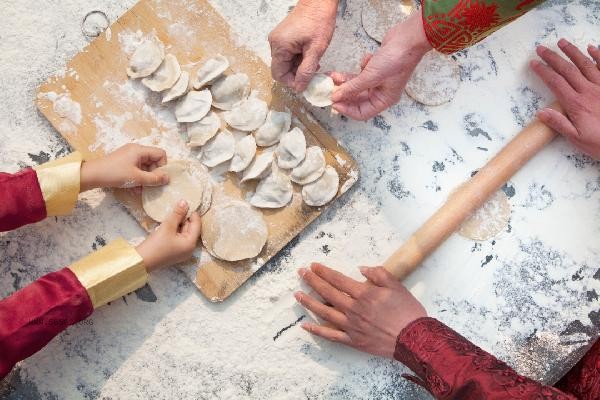
4. Control the heat
Use medium heat throughout the process to maintain the water temperature at around 95 degrees Celsius, avoiding skin damage caused by high heat or prolonging cooking time with low heat. After boiling, add a small amount of cold water to cool down, repeat two to three times to make the dough elastic. This method can promote the complete gelatinization of starch without losing its toughness.
5. If the frozen dumplings cooked with
are still hard, they can be removed and steamed for three minutes. The humid and hot environment of steam can soften aged starch and restore some flexibility. Place moist gauze on the bottom of the steamer to prevent the dumpling skin from sticking to the utensils and causing secondary damage.
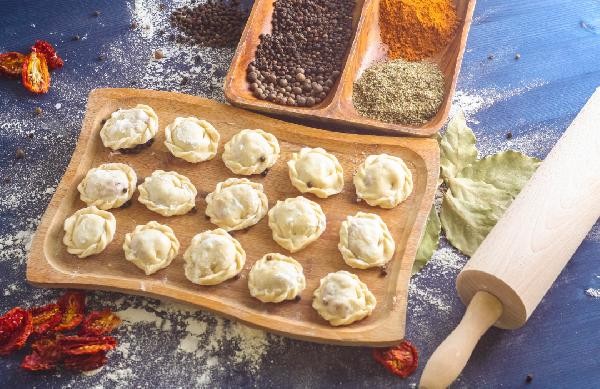
When storing frozen dumplings in daily life, it is recommended to seal the packaging to reduce water loss, and to put them directly into the pot without thawing before cooking. It can be eaten with acidic seasonings such as vinegar or garlic paste, as acidic substances can partially decompose aged starch. If there is a long-term problem of dumpling skin hardening, you can try using the hot pressing method to make the skin embryo, or choose an improved formula containing egg and potato starch to enhance frost resistance. Pay attention to the freezing time not exceeding two months to avoid ice crystals damaging the gluten structure.








Comments (0)
Leave a Comment
No comments yet
Be the first to share your thoughts!