
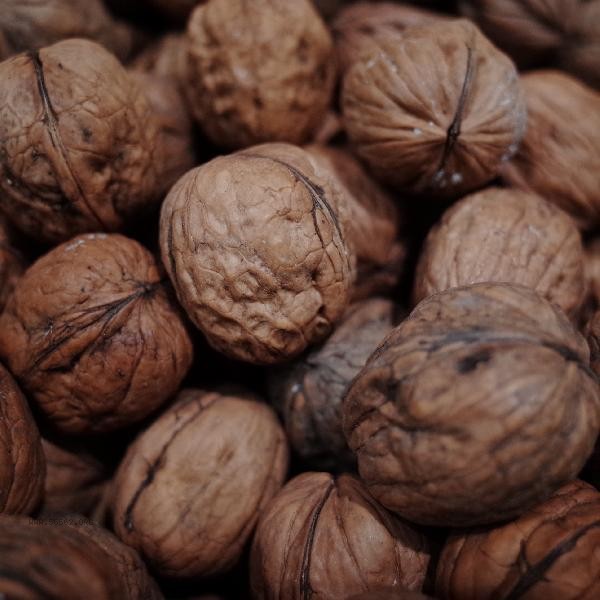
Shell walnuts can be treated by drying, oven drying, freezing, sealed storage, and adding desiccants when they become damp. Walnuts that are damp are prone to mold growth. It is recommended to take drying measures as soon as possible.
1. Drying
Lay damp walnuts flat in a bamboo sieve or breathable container, and place them in a sunny and ventilated place to dry. During the high temperature period in summer, it is necessary to avoid direct sunlight at noon and flip the walnuts every day to evenly dehydrate them. The drying time is adjusted according to the humidity, usually requiring continuous drying for several days until the shell makes a crisp sound when struck.
2. Oven Drying
Spread the walnuts evenly on a baking tray and set the oven temperature to a low temperature between 50-60 degrees Celsius for slow drying. During the baking process, it is necessary to flip it every 10 minutes to prevent local burning. The total duration should be controlled at around 30 minutes, and the crispness can be checked by breaking open the walnut kernels.
3. Cryopreservation
Short term processing can seal walnuts in a fresh-keeping bag and place them in a freezer. Low temperature environments can inhibit mold growth. Before consumption, it is necessary to take it out and thaw it naturally. After thawing, it is recommended to dry it again in an oven or wok. This method is suitable for situations with high humidity and where immediate drying is not possible.
4. Sealed storage
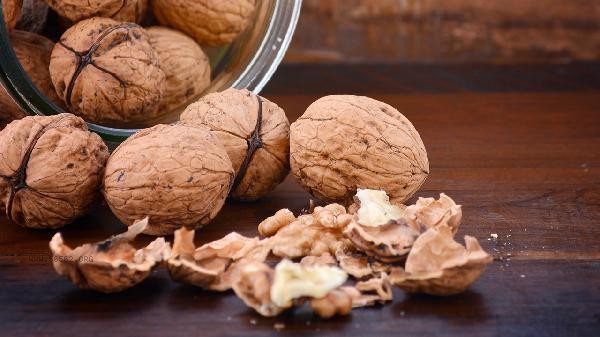
Dried walnuts should be placed in iron cans or glass sealed cans, with food grade drying paper lining the inner layer. The storage environment should be kept cool and dry, and avoid mixing with strongly scented foods such as onions. Regularly check whether there is condensation of water vapor inside the container, and if moisture returns, it needs to be re dried.
5. Place food specific deoxidizers or silica gel drying bags in storage containers with desiccants [SEP], which can continuously absorb moisture from the environment. Desiccant and walnut should be separated with gauze, and expired desiccants should be replaced regularly. This method is particularly suitable for use during the rainy season or in humid coastal areas.
After processing, walnuts should be observed for mold spots or a crackling smell. Moldy walnuts can produce aflatoxins and must be discarded. It is recommended to purchase walnuts with shells instead of walnut kernels for daily storage, as a complete shell can better block moisture. Seal it promptly after each use to avoid repeated exposure to air and moisture. If the shelled walnut kernels become damp, they can be dehydrated by intermittent heating in a microwave oven, but attention should be paid to controlling the time to prevent burning.








Comments (0)
Leave a Comment
No comments yet
Be the first to share your thoughts!