
Red beans that are not cooked until they are hard can be improved by soaking them in advance, controlling the heat, adding auxiliary ingredients, choosing suitable cooking utensils, and adjusting the water quality.
1. Pre soaking
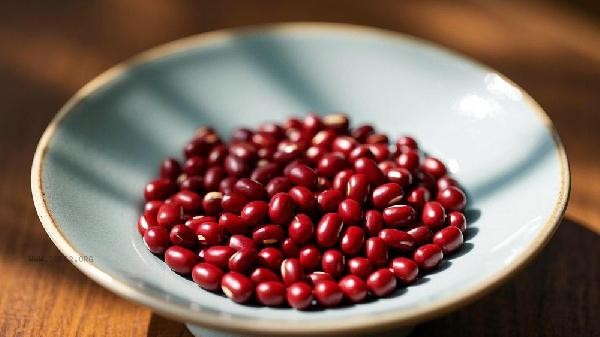
Red beans have a hard texture and are difficult to soften when cooked directly. It is recommended to soak in clean water for at least 6 hours in advance, and refrigerate in summer to prevent spoilage. After sufficient water absorption, the structure of red bean cells becomes relaxed, making them more prone to rupture during cooking. If time is tight, soak in warm water for 2 hours and extend the cooking time appropriately. When soaking, the water surface should completely cover the red beans to avoid some beans being unable to expand due to lack of water.
2. Control the heat
The key is to boil on high heat and then reduce the heat to simmer slowly. The initial high heat causes the red bean skin to soften quickly, while the later low heat allows the heat to evenly penetrate the bean core. Using a clay pot or cast iron pot can better maintain a constant temperature and avoid local overheating of stainless steel pots. During the cooking process, maintain a slight boiling state on the water surface. Intense boiling can cause the bean skin to break but the interior remains hard. Hot water can be added midway to maintain the temperature, and cold water should be avoided from causing shrinkage of the bean body.
3. Adding auxiliary ingredients
Adding a small amount of edible alkali or baking soda can damage the pectin layer of red bean cell walls, but will result in the loss of some B vitamins. It is recommended to pair with acidic ingredients such as hawthorn and tangerine peel, as their organic acids can soften fibers and enhance flavor. Brown sugar should be added after the beans have softened, adding it too early can make the bean skin tough. Adding a spoonful of cooking oil to a pressure cooker can form an oil film and accelerate heat transfer.
4. Choosing suitable cookware
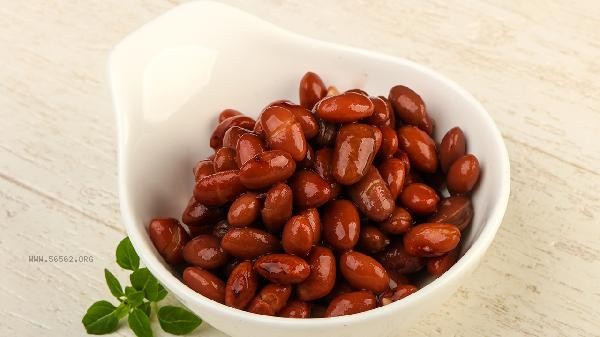
A pressure cooker is the best choice, as 20 minutes of high pressure can completely destroy the cellulose structure of red beans. The rice cooker can use a mixed grain program to extend the cooking time. For ordinary pots, it is recommended to cook for 1 hour and then turn off the heat to simmer for 30 minutes to utilize the remaining heat. Glazed pottery jars have uniform thermal conductivity and are suitable for slow simmering over low heat for more than 4 hours. Avoid using aluminum pots, as their metal ions can combine with red bean tannins to produce a bitter taste.
5. Adjust water quality
In hard water areas, it is recommended to use pure boiled beans. Calcium and magnesium ions in the water will combine with bean protein to form insoluble substances. Mountain spring water can be used in mountainous areas, and its weak acidity helps to decompose plant fibers. City tap water can be boiled and cooled before use to remove residual chlorine and avoid affecting the bean aroma. It is not recommended to frequently remove the lid during the cooking process, as steam loss can cause a sudden drop in water temperature and prolong the cooking time. Red beans are rich in high-quality protein and dietary fiber. It is recommended to consume 2-3 times a week, with no more than 100 grams of dried beans per time. People with indigestion can filter soybean skin to make bean paste, which is easier to absorb when eaten with glutinous rice. Boiled red bean soup can be enhanced with lotus seeds and lilies to improve its calming effect. People with abnormal blood sugar levels should control the addition of sugar. The remaining red beans can be packaged and frozen for storage. When reheating, add a small amount of water to prevent them from drying out. Red beans that cannot be cooked for a long time may lose their activity after being stored for too long. It is recommended to purchase new beans harvested in the same year.








Comments (0)
Leave a Comment
No comments yet
Be the first to share your thoughts!