
After whipping, light cream can be melted and refrigerated before being whipped again, or stabilizers can be added to help set. The melting of light cream is usually related to high temperature, excessive whipping, or insufficient fat content. After the light cream melts, its texture becomes thinner and loses its fluffiness. At this time, the egg beater can be placed in the refrigerator and refrigerated for about half an hour to lower the temperature of the cream to the appropriate range. Low temperature can help fat re solidify and restore its plasticity. After removal, use an electric mixer to stir at low speed and observe the state until clear patterns appear. If the room temperature is high or the molding needs to be maintained for a long time, a proper amount of sugar powder or gelatine solution can be added during the first mixing. Sugar can enhance the stability of the cream, and gelatine can fix the structure through the action of gel. During operation, excessive stirring should be avoided to prevent oil-water separation. Once granular separation occurs, it is difficult to remedy.
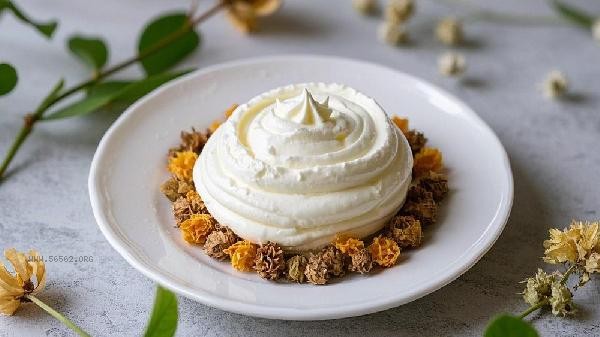
Insufficient fat content or improper storage of whipped cream can also cause melting. When purchasing, it is recommended to choose animal based whipped cream with a fat content of over 30%. In summer, it is recommended to use ice water to keep the ambient temperature below 20 degrees Celsius. If melted cream has a rancid taste or turns yellow in color, it should be discarded and cannot be reused. Temporary remedies may include adding a small amount of milk powder to increase viscosity, but it may affect the taste. When used for cake spreading, it is recommended to take small amounts in portions and store the rest in the refrigerator to avoid prolonged exposure to high temperatures.
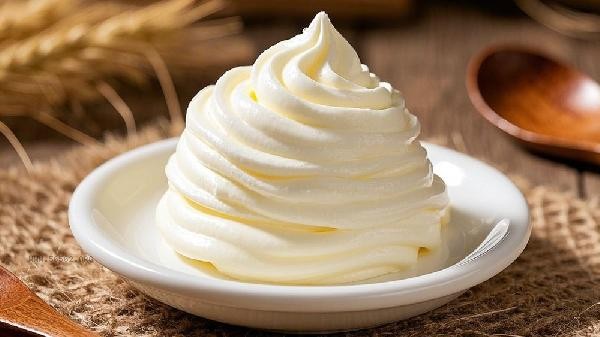
Daily storage of light cream should be placed in the zero to four degree refrigerated area of the refrigerator, and used as soon as possible after opening. Before sending, ensure that the container and tools are clean and free of oil, as low temperatures are more likely to be successful. If long-term storage is required after decoration, spray cream or plant-based cream containing stabilizers can be used as a substitute. It is recommended to operate desserts in an air-conditioned environment during summer, and refrigerate the finished products in a timely manner. Mastering the correct techniques and storage methods can effectively avoid melting problems and improve the success rate of baking.








Comments (0)
Leave a Comment
No comments yet
Be the first to share your thoughts!