
The astringency of frozen persimmons can be improved by soaking them in warm water, ripening the fruits, peeling them for consumption, pairing them with sweet foods, and making jam. The astringency of persimmons mainly comes from the astringency produced by the combination of tannic acid and oral proteins.
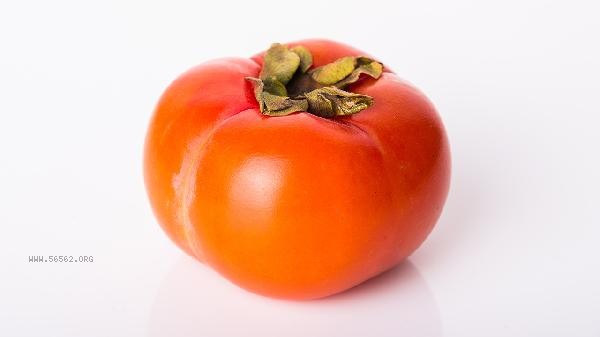
1. Soak in Warm Water
Soak frozen persimmons in warm water at around 40 ℃ for 12 hours, keeping the water temperature constant. A warm environment can accelerate the decomposition of soluble tannic acid and reduce the intensity of astringency. Be careful not to use boiling water, as high temperatures can damage the structure of fruit pulp cells and cause nutrient loss.
2. Fruit ripening
Seal frozen persimmons with apples or bananas and let them sit for 2-3 days. The ethylene gas released by mature fruits can promote the ripening of persimmons, converting tannic acid into insoluble substances. This method is suitable for persimmons with higher hardness, as ripening will result in softer and sweeter meat.
3. Peel and consume
Peel off the frozen persimmon skin and 1 millimeter of flesh underneath. Tannic acid has the highest concentration near the skin, and peeling can reduce the intake of astringent substances by more than 60%. After peeling, it is recommended to consume immediately to avoid oxidation and discoloration of the flesh, which can affect the taste.
4. Pair with sweets
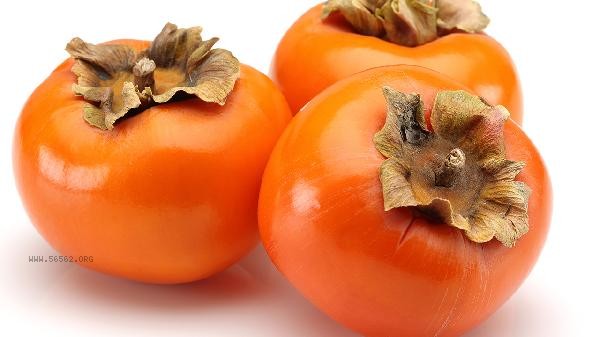
Mix thawed persimmons with honey, yogurt, or coconut milk for consumption. Sweet substances can neutralize the astringency of tannic acid, and casein in dairy products can bind with tannic acid to reduce irritation. This method is suitable for directly improving the taste experience during consumption.
5. Making jam
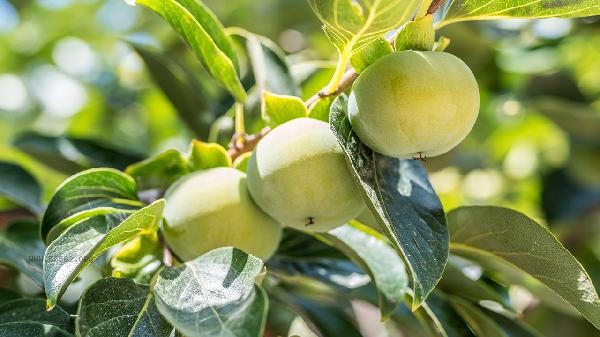
Cut frozen persimmons into pieces and boil them with sugar to make the jam. The heating process will cause the tannic acid polymer to precipitate. It is recommended to add 100 grams of sugar for every 500 grams of persimmons. The osmotic pressure of sugar can promote the precipitation of tannic acid, and the finished product can be used to spread bread or mix drinks. When storing frozen persimmons, they should be kept at a low temperature below -18 ℃ to avoid repeated thawing. For those with weak gastrointestinal function, it is recommended to control the single consumption within 200 grams, and it is not advisable to consume on an empty stomach. If discomfort such as tongue numbness and bloating occurs after consumption, drinking diluted salt water can relieve it. Persimmons with insufficient maturity can reduce astringency by extending the freezing time, and persimmons frozen for more than 3 months will significantly reduce their tannic acid content.








Comments (0)
Leave a Comment
No comments yet
Be the first to share your thoughts!