
Dumplings that have not frozen and become soft can be refrozen or immediately cooked for consumption. The softening of dumplings may be caused by prolonged thawing time or improper storage, and should be handled according to specific circumstances. If there is no odor or spoilage when the dumplings are not frozen and become soft, they can be placed in the freezer compartment of the refrigerator and refrozen, paying attention to sealing with plastic wrap to prevent moisture loss. Frozen dumplings should be consumed as soon as possible to avoid repeated thawing that affects their taste. If the dumplings have completely thawed and the texture is too soft, it is recommended to cook or fry them directly. High temperature heating can kill some bacteria to ensure safe consumption. When cooking, it can be paired with seasonings such as vinegar and chili oil to enhance flavor and mask slight taste changes caused by thawing. If the surface of dumplings becomes sticky, has a sour odor, or has abnormal color after becoming soft, it may have spoiled and should not be continued to be consumed. Rotten dumplings contain a large amount of bacteria, which may cause gastrointestinal discomfort and even food poisoning after consumption. Dumplings thawed for more than two hours or stored at room temperature for more than four hours in high temperature environments during summer pose a higher safety risk. When processing, it is necessary to observe the condition of dumpling filling. Meat filling is more prone to breeding pathogenic bacteria than vegetarian filling, so extra caution is needed.
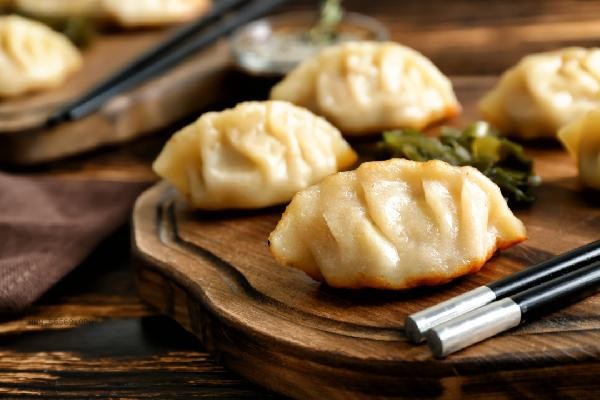
Dumplings should be packaged and sealed during daily storage to avoid excessive accumulation of dumplings and high center temperature. After taking out frozen dumplings, it is recommended to soak them in cold water for thawing, which is safer than thawing at room temperature. Before consumption, make sure to heat it thoroughly until the internal temperature exceeds 70 degrees, and it can be paired with fresh vegetables to balance nutrition. If you often encounter thawing problems, you can switch to the method of making and cooking freshly, or choose frozen dumplings with added preservatives to extend their shelf life. For those with gastrointestinal sensitivity, it is recommended to reduce the consumption of frozen dumplings after thawing and prioritize fresh ingredients.








Comments (0)
Leave a Comment
No comments yet
Be the first to share your thoughts!