
The sticking of dumpling wrappers can be solved by adjusting the flour ratio, controlling the moisture content, cleaning machine components, using anti sticking tools, and replacing appropriate flour.
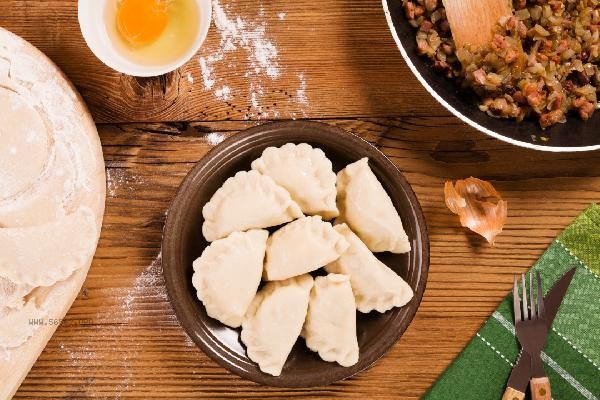
1. Adjust the flour ratio
High gluten flour has a higher protein content and stronger dough elasticity, which can reduce the probability of sticking. It is recommended to add a certain proportion of high gluten flour to ordinary medium gluten flour, usually mixed in a ratio of 7:3. The quality of flour directly affects the extensibility and toughness of the dough, and choosing fresh flour that has not been affected by moisture and has not expired is more effective. There are differences in the water absorption of different brands of flour, and the ratio needs to be adjusted according to the actual situation.
2. Control moisture content
Excessive moisture can cause the dough to become too soft and sticky. It is recommended to add water in small amounts and stir in batches. It is advisable to control the water temperature at around 30 degrees Celsius when making noodles, as overheating can damage the gluten structure. After kneading the dough until smooth, let it stand and let it rise for 20 minutes to allow the moisture to penetrate evenly. When the air humidity is high in summer, the water consumption can be reduced by 5% appropriately, and in winter, the water consumption should be slightly increased to maintain the softness of the dough.
3. Clean machine components
Regularly disassemble the pressure roller and cutting blade assembly to remove residual surface dirt, and use a soft bristled brush with food grade lubricant to clean the transmission parts. After each use, wipe the feeding plate and discharge port with a damp cloth in a timely manner to prevent the accumulation of dry and hard surface slag. Check whether the clearance between the rollers is uniform, and replace any deformed parts in a timely manner. Machines that have not been used for a long time should be preheated by idling and coated with a small amount of cooking oil before being turned on for the first time.
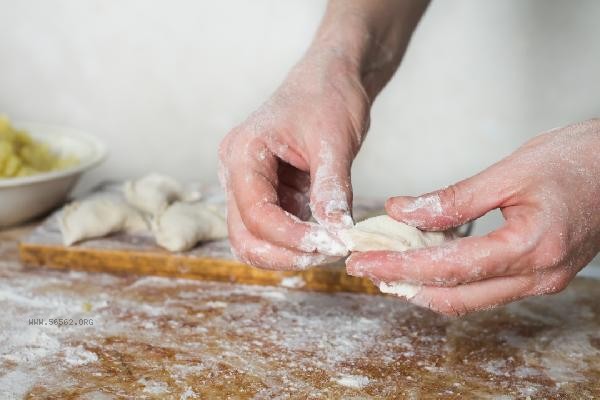
4. When using the anti sticking tool [SEP], evenly spread corn starch or starch as an isolation layer on the feeding plate, and supplement the anti sticking powder every 10 sheets of skin pressed. Using food grade silicone pads instead of traditional canvas conveyor belts can significantly reduce the probability of adhesion. Lightly pat dry powder on the surface of the dough before pressing, and immediately separate and stack with cling film after molding. Commercial equipment can be equipped with automatic powder spraying devices to achieve continuous operation.
5. Replace with suitable flour
Snow flour made from northern winter wheat has moderate gluten and is suitable for mechanized processing. Specialized dumpling powder is processed through special techniques and contains an appropriate amount of starch improver. Whole wheat flour or mixed grain flour should be used with a gluten enhancer, and it is recommended to add no more than 30% of the total flour content. For gluten free raw materials such as glutinous rice flour, at least 50% wheat flour must be added to normal pressing.
In daily maintenance, it is recommended to thoroughly clean the machine after each use and store it in a dry and ventilated place to avoid rusting of metal parts. The dough hardness should be adjusted according to changes in temperature and humidity in different seasons, and flour can be refrigerated and cooled in advance in summer. Keep the work surface clean during operation, promptly clean up scattered flour to prevent secondary pollution. If there is a long-term sticking problem, it is necessary to check whether the pressure parameters of the equipment are normal, and if necessary, contact the manufacturer for professional debugging. Alternating between manual rolling and machine pressing can effectively avoid the problem of temperature rise caused by continuous operation.








Comments (0)
Leave a Comment
No comments yet
Be the first to share your thoughts!