
If chives are not fully cooked and there are no obvious symptoms after consumption, special treatment is usually not necessary. If gastrointestinal discomfort occurs, a small amount of warm water can be used to relieve it. Leek contains sulfides and crude fibers, and insufficient heating may irritate the gastrointestinal mucosa, but generally does not cause serious health problems. The sulfides in unripe chives may cause mild heartburn or bloating, which is caused by the brief stimulation of mucous membranes by thiosulfate. People with normal gastrointestinal function can usually relieve themselves within a few hours. During this period, they should avoid eating spicy and greasy food. They can drink warm honey water or rice porridge to protect gastric mucosa. Some people may be sensitive to oxalic acid in raw chives and experience temporary oral discomfort, which can be eliminated by rinsing with water. A very small number of individuals with sensitive constitutions or gastrointestinal ulcer patients may experience abdominal pain and diarrhea after consumption. At this time, it is necessary to suspend solid food intake and observe whether vomiting or fever occurs. If the symptoms persist for more than six hours or if mucous stools appear, bacterial gastroenteritis should be considered and medical attention should be sought for routine stool examination. Children or elderly people who accidentally consume a large amount of raw chives and experience frequent watery stools should be alert to electrolyte imbalances and promptly supplement with oral rehydration salts.
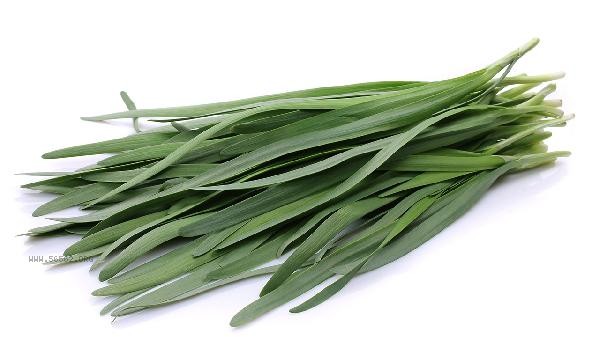
For daily cooking of chives, it is recommended to blanch them in boiling water for ten seconds before stir frying quickly. This can soften the fiber and reduce the volatilization of sulfides. People with fragile gastrointestinal tract can choose to consume tender leaves and stir fry chives with eggs or tofu to promote protein binding. When storing, wrap the roots in a damp tissue and refrigerate to avoid an increase in nitrite content due to storage for more than three days. When severe symptoms such as persistent abdominal pain or bloody stools occur, seek medical attention immediately to rule out other digestive system diseases.










Comments (0)
Leave a Comment
No comments yet
Be the first to share your thoughts!