
The lack of flavor in chicken soup can be improved by adjusting the stewing method, selecting suitable ingredients, and adding seasonings. There are mainly reasons such as insufficient control of heat, improper selection of ingredients, incorrect timing of seasoning, long stewing time, and unreasonable combination of ingredients.
1. Insufficient control of heat
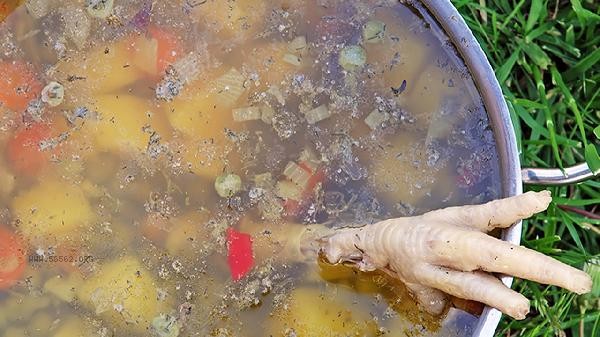
For stewing chicken soup, it is recommended to boil it on high heat first and then reduce the heat to slow stew. High heat can quickly solidify the protein on the surface of chicken and lock in umami substances, while low heat and slow stewing are beneficial for softening muscle fibers and releasing flavor. If low heat is used throughout the process, the flavor substances in the chicken will be difficult to fully dissolve, resulting in a hard and bland meat texture. Containers with good insulation properties such as clay pots or enamel pots can be used, which is more conducive to temperature stability control.
2. Improper selection of ingredients
It is recommended to choose old hens or three yellow chickens with longer feeding cycles, as they have richer intramuscular fat and flavor compounds. Avoid using chicken that has been frozen for too long, as ice crystals during the freezing process can damage cell structure and cause juice loss. It is recommended to soak fresh chicken in water before bleeding, but not for more than two hours to prevent the loss of water-soluble flavor compounds.
3. Incorrect seasoning timing
Salt should be added in the final stage of stewing. Adding salt too early can cause the chicken protein to solidify prematurely, affecting the release of freshness. You can first add ingredients such as ginger slices and scallions to remove fishy smell and enhance aroma, and then add salt, white pepper and other seasonings before serving. If you pursue a richer flavor, you can add a small amount of shiitake mushrooms or dried scallops to stew, but chemical flavorings such as monosodium glutamate should not be used.
4. Long stewing time
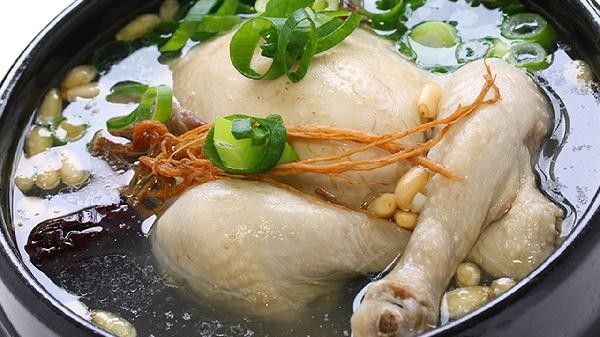
It is advisable to control the stewing time of chicken at around two hours. Prolonged stewing can lead to excessive breakdown of muscle fibers, resulting in a loose taste and the evaporation of flavor compounds. When chopsticks can be easily inserted into the thickest part of a chicken leg without any bleeding or water seeping out, it is considered mature. After stewing, turn off the heat and let it simmer for half an hour, using the remaining heat to further blend the flavors.
5. Unreasonable combination of auxiliary materials
Mixing with starchy ingredients such as yam and red dates will absorb the umami substances in the soup. It is recommended to stew them separately and then combine them. You can try adding a small amount of acidic substances such as hawthorn slices or lemon juice to help soften the flesh fibers. If the soup color is cloudy and affects appetite, you can first blanch chicken bones in water to remove foam, or add two pieces of washed sugarcane to absorb impurities when stewing.
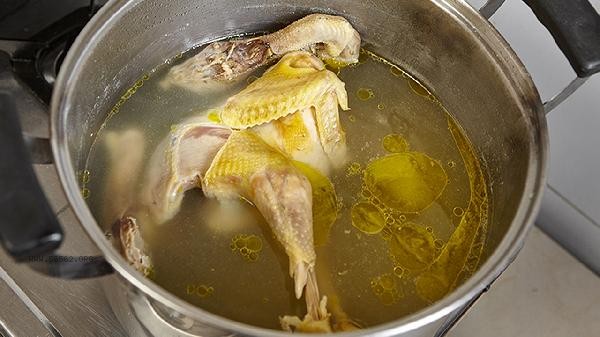
For daily stewed chicken soup, it is recommended to use fresh ingredients and retain an appropriate amount of chicken skin and fat layer during processing to enhance the flavor. During the stewing process, pay attention to skim off the foam to keep the soup clear, and use a well sealed pot to reduce water evaporation. Before consumption, sprinkle a little cilantro or chopped scallions to enhance the flavor, but avoid over seasoning to mask the original taste of the ingredients. If you feel that food is boring for a long time, you may need to check for taste loss and other conditions. If necessary, you can consult a nutritionist for dietary guidance. When storing the remaining chicken soup, it should be cooled as soon as possible and refrigerated for no more than three days to prevent an increase in nitrite content.








Comments (0)
Leave a Comment
No comments yet
Be the first to share your thoughts!