
Beans can still be consumed after frostbite in the refrigerator, but the treatment method should be determined based on the degree of frostbite. When frostbite is mild, the taste is slightly poor, and when frostbite is severe, it may deteriorate. After frostbite, water stains or soft rot may appear on the surface of green beans. For mild frostbite, the discolored part can be removed and blanched or stewed. High temperature cooking can improve fiber aging problems. Frostbite damage to the cell structure of green beans can lead to water leakage. It is recommended to use heavy flavored seasonings such as garlic and chili to mask the flavor changes. Making dry fried green beans or sauce fried green beans can improve palatability. If there is a noticeable sour taste or mucus secretion after frostbite, it indicates that it has deteriorated and needs to be discarded.
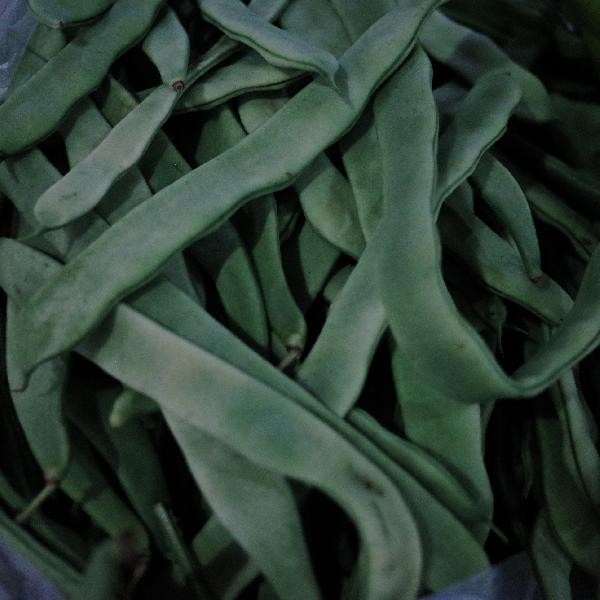
Beans that are completely frozen and thawed are prone to bacterial growth, and should be cooked within 2 hours after thawing. If the refrigeration temperature is below 4 degrees, it may cause cold damage, manifested as skin depression or browning. This type of bean loses more vitamin C but still retains minerals. It is recommended to pack and seal the beans for long-term frozen storage to avoid repeated freeze-thaw cycles that accelerate nutrient loss. Cutting and blanching the beans before freezing and storing them is more conducive to maintaining their texture.

For daily storage of fresh beans, it is recommended to wrap them in a fresh-keeping bag with tissues to absorb moisture, and place them in a vegetable and fruit box in the refrigerator compartment. The temperature should be maintained at 5-8 degrees Celsius. When purchasing, choose tender beans with plump and spot free pods. Do not wash with water before storage. Keeping the stem can extend the shelf life. If long-term storage is required, blanching and freezing method can be used. Blanch the beans in water for 90 seconds, then rinse them with ice water, drain them, pack them and freeze them for 3 months. When cooking, they can be directly put into the pot without thawing. Regularly check the temperature of the refrigerator and clean the condensed water to avoid other ingredients from freezing and affecting the quality.








Comments (0)
Leave a Comment
No comments yet
Be the first to share your thoughts!