
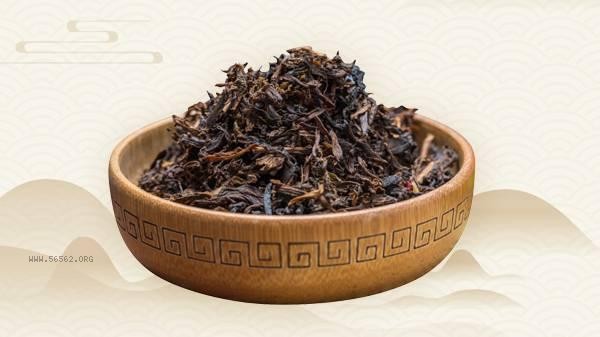
Pu erh tea may have a storage odor due to moisture, which can be treated by ventilation, air drying, adsorption to remove odor, moderate tea awakening, controlling storage environment, and re pressing. Warehouse odor is usually caused by factors such as high humidity in the storage environment, tea adsorption odors, microbial activity, damaged packaging, and prolonged storage time.
1. Ventilate and air dry
Spread out damp tea leaves and place them in a cool and ventilated place to air dry naturally, avoiding direct sunlight that can cause oxidation of the tea leaves. You can use a bamboo sieve or cotton cloth as a base to flip the tea leaves daily to promote even evaporation of moisture. Please note that the humidity in the environment should be below 60%, and continuous ventilation for two to three days can reduce the odor in the warehouse. If only the surface of the tea leaves is affected by moisture, this method has a significant effect.
2. Adsorption deodorization
Use odorless charcoal, bamboo charcoal, or food grade silicone desiccants to store tea leaves in layers, utilizing their moisture absorption properties to remove warehouse odors. Mix 100 grams of adsorbent material per kilogram of tea leaves and let it sit in a sealed container for one week. Activated carbon packs need to be replaced regularly to avoid secondary pollution. This method is suitable for Pu erh tea cakes that are mildly damp and have a mild cellar flavor.
3. Moderately Awaken Tea
Pry the tea cake and place it in a purple clay jar or pottery jar, and let it sit in a dry environment for at least one month to awaken the tea. The microporous structure of pottery helps to evaporate odors and promotes slow exchange between tea leaves and air. During the tea awakening period, open the lid and check every week. If there are water droplets on the can wall, replace the drying container. Old tea leaves or compressed tea can extend the awakening time to three months.
4. Control storage environment
Long term storage requires maintaining an ambient temperature of 20 to 25 degrees Celsius and a humidity of 50 to 65%. Use double-layer cardboard boxes with aluminum foil bags for sealing, keep away from damp areas such as kitchens and bathrooms. It is recommended to equip dehumidifiers in southern regions and regularly check the condition of tea leaves during the rainy season. professional tea storage can be equipped with cedar flooring to regulate humidity.
5. Repress
Loose tea that has been severely dampened can be softened by steam and re pressed into cakes. High temperature steam can kill some mold. After pressing, it needs to be dried in the shade for two weeks before packaging. Newly pressed tea cakes should be stored separately to avoid cross infection. This method will alter the aging trajectory of tea leaves and is only applicable to low-end tea or severely clumped Pu'er tea.
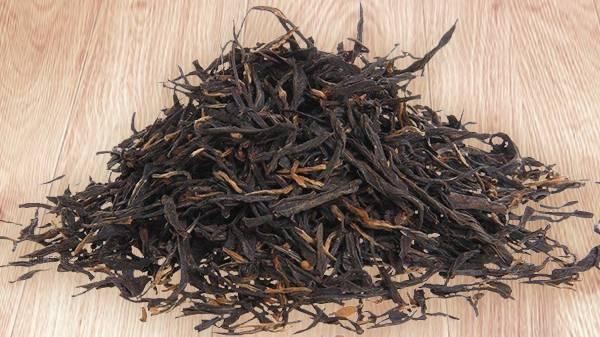
After processing, it is recommended to first try brewing a small sample of Pu erh tea. If the soup color is cloudy or has mold spots, it should not be consumed. Daily storage can choose kraft paper bags combined with three-layer cardboard packaging method, and the tea cake status should be checked once every quarter. Wash the tea twice quickly with boiling water before drinking, which can awaken the tea leaves and reduce storage odors. The tea storage environment should avoid coexistence with volatile substances such as perfume and camphor, and the tea in different years and production areas should be placed separately. For high-end Pu'er tea, it is recommended to purchase a professional electronic moisture-proof box for constant temperature storage.








Comments (0)
Leave a Comment
No comments yet
Be the first to share your thoughts!