
The bitterness of lemon wine can be improved by adjusting the soaking time, removing white pulp, pairing with sweet ingredients, controlling the amount of lemon, and changing the base wine. Bitterness may be caused by differences in lemon varieties, excessive dissolution of bitter substances from the peel, and high alcohol concentration.
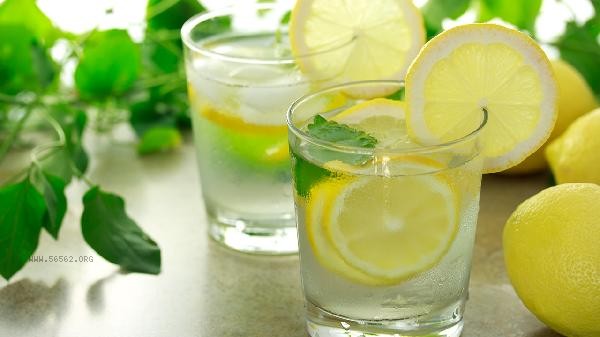
1. Adjust soaking time
Bitter substances in lemon peel will gradually release with prolonged soaking time. It is recommended to control the soaking time within 3-5 days. Short term soaking can preserve the lemon fragrance while reducing the dissolution of bitter components such as naringin. You can taste the taste of the wine daily, and filter and separate lemon slices in a timely manner after achieving the desired flavor.
2. Removing White Pulp
The white sponge layer between the lemon skin and flesh contains a large amount of bitters, which needs to be thoroughly scraped off with a knife during production. You can first cut the lemon longitudinally into four pieces and use a thin blade knife to remove the white part along the curvature of the flesh, leaving only the yellow skin and flesh. The bitterness of processed lemon slices will be significantly reduced.
3. Pairing with sweet ingredients
Adding rock sugar, honey, or sweet fruits can neutralize bitterness. 150-200 grams of rock sugar can be added per liter of liquor, or soaked together with sweet fruits such as strawberries and lychees. Sweet ingredients can produce a synergistic flavor with bitter substances, making the wine more balanced. Adding fragrant ingredients such as dried roses can also improve the taste.
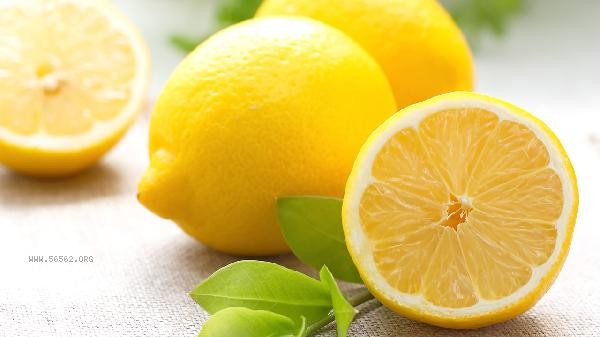
4. Control the amount of lemon
It is advisable to use 1-2 lemons per 500 milliliters of base liquor, as excessive use can lead to bitterness accumulation. Choose fresh lemons with thin skin and juicy juice, and avoid using fruits with withered skin or stored for too long. On the first attempt, reduce the dosage by one-third and gradually adjust the ratio according to the taste.
5. Change the type of base liquor
High Baijiu is easy to extract more bitter substances, and rice wine, sake or brandy of 25-35 degrees can be used as base liquor. Low alcohol alcohol has lower osmotic pressure and slower bitterness dissolution. Whiskey and other strong flavored base liquors can also mask some bitterness and form a unique flavor combination with lemon.
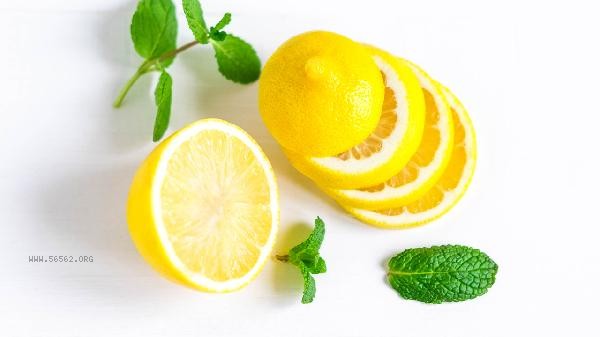
When making lemon wine, you can first marinate the processed lemon slices with a small amount of sugar for 2 hours, let some juice seep out, and then soak the wine to reduce bitterness. The storage environment should be kept cool and dark, as high temperatures can accelerate the release of bitter substances. Dilute with ice cubes or sparkling water when drinking, and enhance the sensory experience with decorations such as mint leaves. If the bitterness is too strong to accept, it can be re filtered and mixed with newly processed lemon slices for a second time.








Comments (0)
Leave a Comment
No comments yet
Be the first to share your thoughts!