
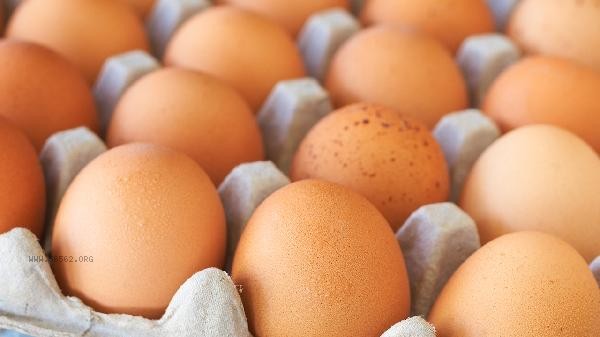
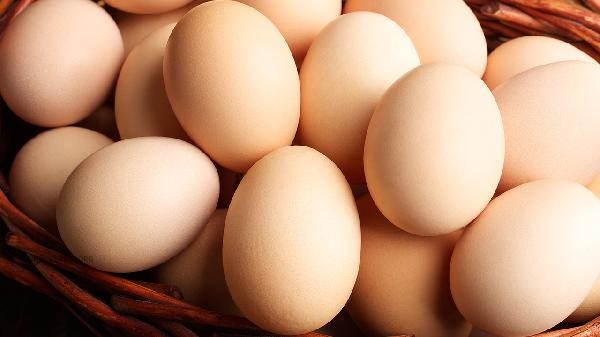
The difficulty in peeling eggs is usually related to the cooking method or freshness of the eggs. It can be improved by adjusting the cooking time, cooling method, and selecting fresh eggs. The difficulty in peeling eggs is often due to the tight membrane adhesion between the eggshell and the protein. The inner membrane of fresh eggs is more tightly bound to the protein, making it easy for the protein to peel off together during peeling. When cooking eggs, excessive heat or time can cause the protein to contract excessively, squeezing the inner membrane of the eggshell to form a tight fit. Immediately soak boiled eggs in cold water and use the principle of thermal expansion and contraction to separate the eggshell from the protein, making peeling easier. Before cooking eggs, poke a small hole with a needle at the big end of the egg head to avoid excessive internal pressure during cooking, which can cause the eggshell to break and adhere. Eggs stored for a longer period of time have an enlarged air chamber due to water evaporation, resulting in a looser binding between the inner membrane of the eggshell and the protein, making it relatively easy to peel. However, eggs that are too old may affect food safety due to bacterial growth. Adding a small amount of salt or white vinegar when cooking eggs can change the ion concentration in the water and help separate the eggshell from the protein. Gently tap the cooked egg on the tabletop to evenly break the shell, and peeling from one end of the air chamber can reduce protein damage. Choose eggs that are stored at room temperature instead of refrigerated eggs and cook them directly. If the temperature difference is too large, it will increase the difficulty of peeling.
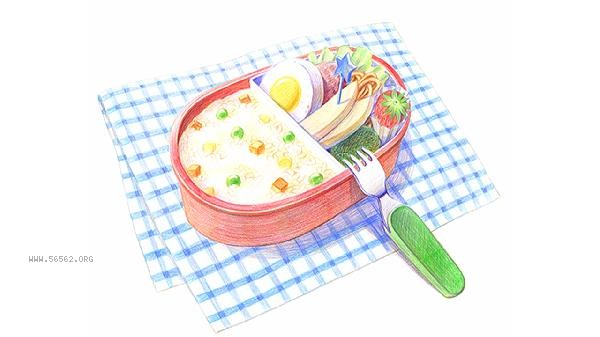
It is recommended to use fresh eggs from within a week when cooking eggs in daily life. After the water boils, turn to low heat and cook for 8-10 minutes. After turning off the heat, immediately rinse or soak in cold water for 5 minutes. Before peeling, roll the egg on the table to evenly break the shell, starting from one end of the air chamber. If you often encounter difficulties in peeling, you can try steaming eggs instead of boiling them in water. Steam heating is more uniform and the eggshells are easier to peel off. Be careful to avoid cooking eggs that have been bumped, as cracks can cause protein to seep out and adhere to the eggshell. Maintain dietary diversity, eggs can be consumed alternately with soy products, lean meat, etc., ensuring high-quality protein intake while reducing the operational difficulties caused by a single food.








Comments (0)
Leave a Comment
No comments yet
Be the first to share your thoughts!