
Eating undercooked edamame may cause gastrointestinal discomfort, which can be treated by inducing vomiting, replenishing fluids, temporarily fasting, observing symptoms, and seeking timely treatment. Half cooked edamame may contain substances such as saponins and plant hemagglutinin, which can easily cause symptoms such as nausea, vomiting, and abdominal pain.
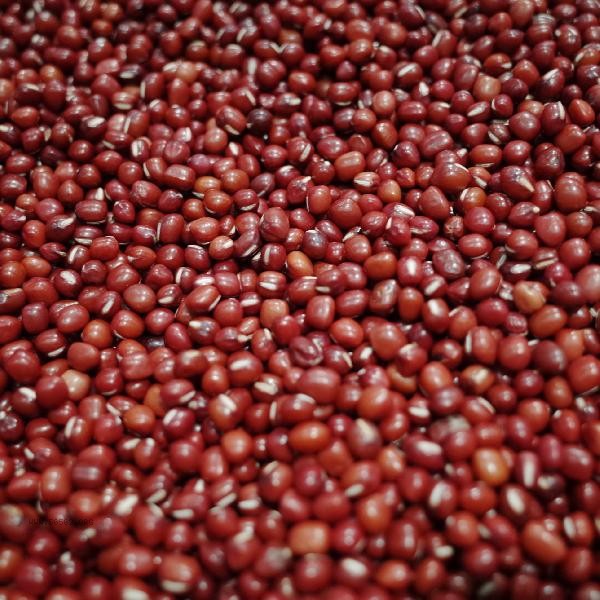
1. induce vomiting
If consuming undercooked edamame for a short period of time, you can try inducing vomiting to reduce toxin absorption. Drink an appropriate amount of warm saline water or press the base of the tongue to stimulate the throat and help eliminate residual food in the stomach. After inducing vomiting, rinse your mouth with clean water to avoid stomach acid corroding the oral mucosa. People with unclear consciousness or a higher risk of aspiration should not induce vomiting on their own.
2. Supplement water.
If mild diarrhea or vomiting occurs, it is necessary to replenish water in a timely manner to prevent dehydration. You can drink warm water or diluted salt water in small amounts multiple times, or choose oral rehydration salts to regulate electrolyte balance. Avoid drinking sugary drinks or milk to avoid exacerbating gastrointestinal burden. If there is a decrease in urine output and dry mouth and tongue, be alert to worsening dehydration.
3. Temporary fasting
During periods of gastrointestinal discomfort, eating should be paused for 4-6 hours to reduce digestive system pressure. After vomiting or diarrhea is relieved, you can gradually resume your diet from liquid foods such as rice soup and porridge. During fasting, it is advisable to apply heat to the abdomen to relieve spasms and pain, but avoid using painkillers to mask the condition.
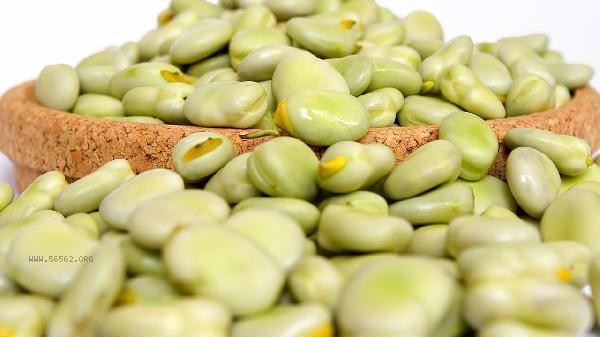
4. Observe Symptoms
Closely monitor body temperature, degree of abdominal pain, and changes in excreta characteristics. If there is persistent vomiting for more than 12 hours, bloody stools, high fever, or blurred consciousness, it may indicate severe poisoning or secondary infection. Recording the time and progression of symptoms helps doctors quickly assess the condition and, if necessary, retain food samples for testing.
5. Timely treatment
Those with severe symptoms should seek medical attention for gastric lavage or medication treatment. Doctors may use montmorillonite powder to protect the gastrointestinal mucosa or antibiotics such as norfloxacin to control infections depending on the situation. For patients with neurological symptoms, botulism should be ruled out, and if necessary, antitoxin serum should be used for treatment.

For daily cooking, edamame should be thoroughly boiled for at least 15 minutes to destroy toxins and avoid consuming immature pods that are green in color or hard in texture. Pay attention to refrigeration and preservation during storage. Sprouted or moldy edamame should not be consumed. Children and those with weak digestive function need to be more cautious. It is recommended to make edamame puree or extend the stewing time to ensure safety. If there are repeated symptoms of food poisoning, it is necessary to investigate whether there are chronic gastrointestinal diseases or food allergies.








Comments (0)
Leave a Comment
No comments yet
Be the first to share your thoughts!