
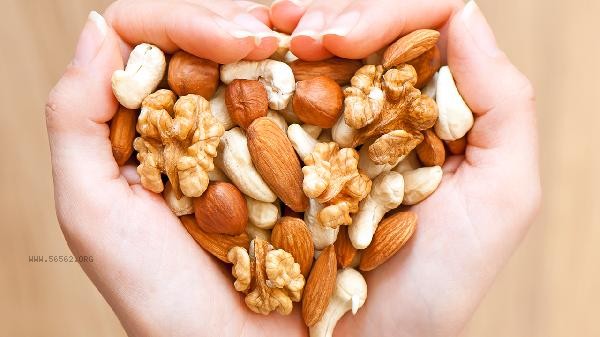
Nuts that cannot be eaten can be solved by adjusting consumption methods, choosing alternative foods, improving oral environment, controlling intake, and supplementing other nutrients. People with nut allergies or weak gastrointestinal function should pay special attention.
1. Adjusting the way of consumption
Grinding nuts into powder or making them into sauces, such as almond powder, peanut butter, etc., can reduce chewing difficulty. After baking, it is chopped and added into oatmeal Congee and yogurt, which can not only retain nutrition but also be easy to digest. Nut milk such as cashew nut milk and walnut milk are also liquid alternatives, suitable for direct consumption or cooking.
2. Choose alternative foods
Seed based foods such as chia seeds and pumpkin seeds contain similar unsaturated fatty acids and minerals. Fish, especially salmon and sardine, can provide high-quality protein and omega 3 fatty acids. Plant based fat sources such as avocados and olive oil can also replace some of the nutritional benefits of nuts.
3. Improving oral environment
When dental problems lead to difficulty chewing, dental caries should be treated promptly or dentures should be installed. During oral ulcers, liquid nut drinks can be chosen. Those with insufficient saliva secretion can take sugarless sour food to stimulate secretion, or use artificial saliva spray to assist swallowing.

4. Control intake
It is recommended to consume 10-15 grams of nuts per day, as excessive intake may cause gastrointestinal discomfort. People with indigestion should consume in small portions and avoid eating high fiber foods together. Nuts should not be consumed 3 hours before bedtime to prevent exacerbating nighttime gastric acid secretion.
5. Supplementing Other Nutrients
Supplementing B vitamins and dietary fiber through whole grains, providing plant-based protein through soy products, and supplementing vitamin E with dark vegetables. If necessary, follow medical advice to take multivitamins or fish oil capsules, but do not rely solely on supplements to replace natural foods. People who cannot consume nuts for a long time need to have their blood lipids and trace element levels regularly tested. Add selenium rich foods such as mushrooms and seaweed to daily diet, and pair them with citrus fruits to promote iron absorption. When cooking, use oils rich in alpha linolenic acid such as flaxseed oil and perilla seed oil. Maintaining moderate exercise helps with the absorption of fat soluble vitamins and avoids complete withdrawal from fatty foods that can lead to malnutrition. If persistent indigestion or allergic reactions occur, seek medical attention promptly to investigate the cause.








Comments (0)
Leave a Comment
No comments yet
Be the first to share your thoughts!